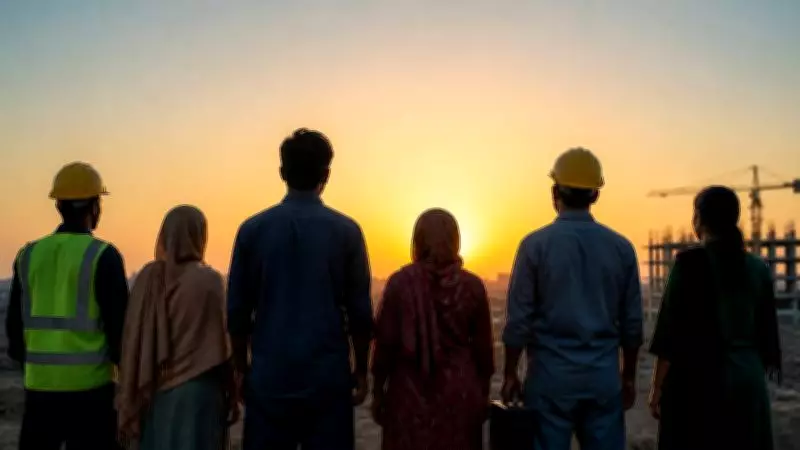
May Day, traditionally a day of factory protests and union marches, is taking on new meanings in Pakistan as the nature of work evolves. Beyond the classic industrial setting, workers in the gig economy, digital platforms, and informal sectors are now raising their voices for rights and recognition.
The Changing Face of Labor
In recent years, the labor movement in Pakistan has expanded beyond factories. With the rise of ride-hailing services, freelance platforms, and online marketplaces, a new class of workers has emerged. These individuals often lack traditional protections such as minimum wage, health insurance, and job security. May Day 2026 saw a significant shift as these digital workers joined the protests, demanding legal recognition and social safety nets.
Digital Rights and Collective Bargaining
One of the key demands this year was for the regulation of digital labor platforms. Workers called for transparency in algorithms, fair pay, and the right to form unions. The government has shown some willingness to engage, with a task force established to study the issue. However, activists argue that more immediate action is needed to prevent exploitation.

- Ride-hailing drivers demand minimum fare guarantees and insurance coverage.
- Freelancers seek protection against payment defaults and unfair contract terms.
- Domestic workers, often invisible, call for inclusion in labor laws.
Solidarity Across Sectors
This year's May Day events were notable for the cross-sector solidarity. Traditional trade unions marched alongside gig workers, students, and civil society groups. The message was clear: labor rights are human rights, and no worker should be left behind. In Lahore, a joint rally drew thousands, featuring speeches from factory workers and app-based drivers alike.
Government Response
The government has promised reforms, including a new digital labor policy and stronger enforcement of existing laws. However, critics point to a gap between rhetoric and reality. For instance, while the minimum wage was increased, many workers in the informal economy still do not receive it. The challenge remains to translate policy into practice.
As May Day goes beyond the factory, it signals a broader struggle for dignity and justice in the world of work. The movement is no longer just about factory gates but about the very nature of employment in the 21st century. Pakistan's labor movement is at a crossroads, and the decisions made now will shape the future of work for generations.