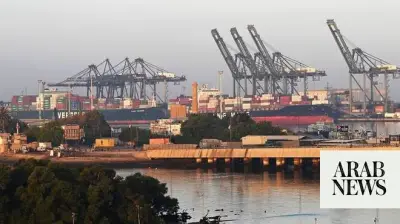
Pakistan's trade deficit has surged to a four-year high of $39.5 billion in fiscal year 2025-26, according to data that has sparked alarm among business leaders. SM Tanveer, FPCCI leader and Patron-in-Chief of the United Business Group (UBG), described the numbers as a wake-up call for policymakers, highlighting a 22% year-on-year increase in the trade gap.
Structural flaws exposed by widening deficit
The trade deficit was driven by an 8% expansion in imports alongside a 6% decline in exports, revealing deeper structural issues that continue to suppress Pakistan's industrial competitiveness. Tanveer emphasised that true economic sovereignty cannot be achieved through borrowed capital or remittances alone. "The economy can only flourish through aggressive export-led growth and the robust revival of domestic commerce. The current trend is unsustainable for our national reserves and the survival of our industrial base," he said.
Multi-pronged strategy for export revival
To counter the contraction and boost exports in FY27, Tanveer outlined a strategy focusing on reducing the cost of doing business and providing structural incentives. He pointed out that high energy costs have made Pakistani products, particularly textiles and light engineering, too expensive compared to regional competitors like Bangladesh, India, and Vietnam. The government must immediately apply a dedicated, regionally competitive power tariff for the export sector. "Access to affordable electricity is an absolute necessity to run factories at maximum capacity and keep pricing attractive in global markets," Tanveer stated.

High interest rates stifling credit growth
Tanveer also highlighted that exorbitant interest rates have completely stalled private-sector credit growth. Industrialists cannot afford to borrow for working capital, let alone long-term expansion or modernisation. He called on the State Bank to aggressively lower the policy rate to revive investment and production capacity.