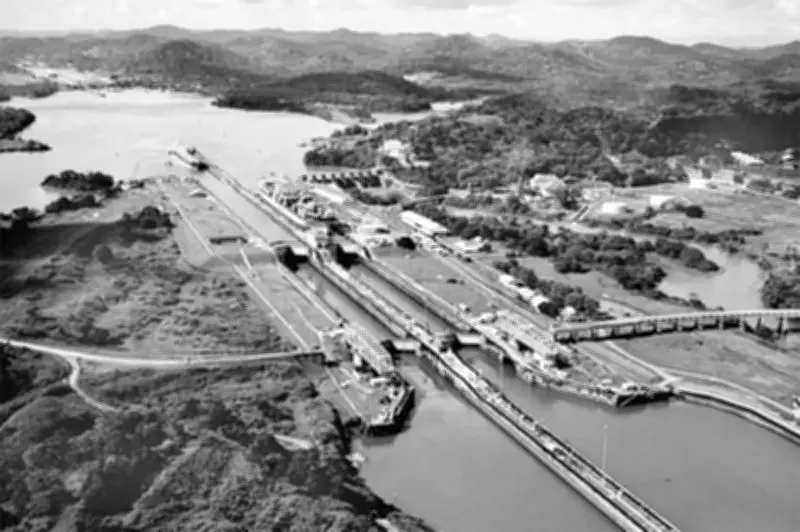
Panama Canal: A Century-Old Marvel of Engineering and Global Trade
The Panama Canal, a 50-mile waterway through the Isthmus of Panama, has been a linchpin of maritime trade since its completion in 1914. By linking the Atlantic and Pacific Oceans, it eliminates the need for lengthy voyages around South America, saving time and costs for global shipping. According to the Panama Canal Authority, over 12,000 vessels transit the canal annually, highlighting its strategic significance.
How the Canal Works: Locks and Channels
The canal’s complex system of locks and channels raises ships 85 feet above sea level to traverse the continental divide. Each transit takes approximately 8-10 hours, with the locks using gravity-fed water from Gatun Lake. The original locks are 110 feet wide, while the expanded locks, added in 2016, are 180 feet wide, accommodating larger Neo-Panamax vessels.
Economic and Strategic Impact
The canal’s economic impact extends far beyond Panama. It handles about 6% of world trade, reducing shipping distances between the East and West coasts of the Americas, Europe, and Asia. The 2016 expansion doubled the canal’s capacity, allowing ships carrying up to 14,000 containers to pass through. This expansion has bolstered international connectivity and affirmed the canal’s status as a critical artery of global commerce.