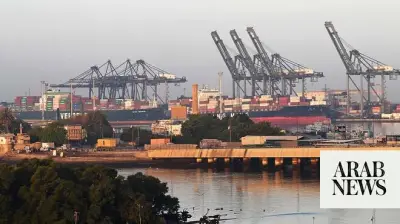
Fuel Supply Crisis Shows Signs of Easing with Tanker Arrivals
The persistent fuel shortage that has gripped Pakistan in recent weeks is beginning to show signs of relief, as tankers carrying essential petroleum products have started arriving at Port Qasim. This development comes as a significant reprieve for consumers and industries alike, who have been grappling with the looming threat of a severe supply crunch.
Immediate Impact on Market Stability
Authorities have confirmed that the arrival of these tankers marks a crucial step towards stabilizing the fuel market across the country. The imports are expected to replenish depleted stocks and ensure a steady flow of petroleum products to meet domestic demand. This move is particularly timely, given the heightened concerns over potential disruptions to transportation, agriculture, and industrial operations.
The resumption of fuel imports at Port Qasim is seen as a strategic response to the ongoing crisis. Officials emphasize that this will help mitigate the risk of further price hikes and supply chain bottlenecks. The port, being one of Pakistan's key maritime gateways, plays a pivotal role in facilitating energy imports, and its operational efficiency is critical for national energy security.

Background of the Fuel Shortage
The fuel shortage had been exacerbated by a combination of factors, including logistical challenges, fluctuating global oil prices, and increased domestic consumption. These issues had led to widespread anxiety among the public and businesses, with many fearing prolonged disruptions. The situation was further complicated by delays in previous shipments and inventory management problems at various distribution points.
In response, the government and relevant agencies have been working to expedite the clearance and distribution processes at Port Qasim. Measures include:
- Streamlining customs and inspection procedures to reduce turnaround time for tankers.
- Coordinating with oil marketing companies to ensure efficient allocation of incoming supplies.
- Monitoring fuel stocks nationwide to prevent hoarding and ensure equitable distribution.
Future Outlook and Preventive Measures
While the arrival of tankers provides immediate relief, authorities are also focusing on long-term strategies to prevent similar crises in the future. This includes exploring options for diversifying energy sources and enhancing storage capacities at key ports. Experts suggest that improving infrastructure and investing in renewable energy could reduce dependency on imported fuels over time.
The public is advised to remain calm and avoid panic-buying, as the situation is expected to normalize gradually. Continuous updates will be provided to keep stakeholders informed about the progress in fuel supply restoration. The collaborative efforts between government bodies and private sector players are crucial in navigating this challenging period and ensuring energy stability for Pakistan.