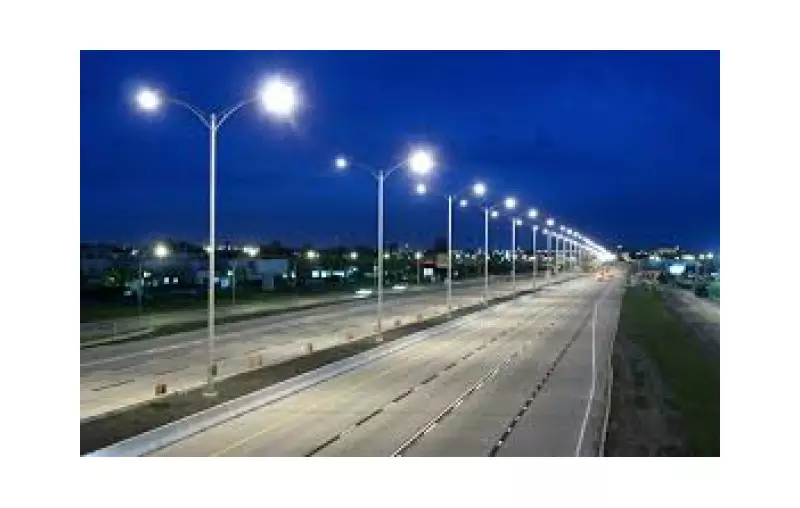
In a significant move towards sustainable urban infrastructure, one of Karachi's most iconic thoroughfares, Sharae Faisal, is undergoing a major green transformation. The avenue is now being illuminated by energy-efficient solar street lights, a collaborative project spearheaded by K-Electric (KE) and the Cantonment Board.
A Collaborative Push for Green Energy
The initiative, which was formally inaugurated recently, involves the installation of approximately 1,500 solar-powered street lights along the extensive stretch of Sharae Faisal. This project represents a strategic partnership where K-Electric is providing its technical expertise and project management, while the Cantonment Board Clifton is the sponsoring partner, facilitating the implementation.
Officials from both organizations have highlighted that this shift to solar power is a direct response to the dual challenges of rising energy costs and environmental concerns. By harnessing Pakistan's abundant sunlight, the project is designed to provide reliable street lighting while simultaneously reducing the carbon footprint associated with conventional electricity generation.

Technical Details and Expected Benefits
The new lighting system is not just a symbolic change; it brings tangible technical and economic advantages. Each solar street light is equipped with an independent photovoltaic panel, a battery storage system, and an LED lamp. This setup allows the lights to operate autonomously from the national grid, charging during the day and illuminating the road throughout the night.
The primary benefits outlined by the project partners are substantial:
- Major Cost Savings: The solar lights will eliminate the electricity costs previously incurred for lighting this major artery, leading to significant savings for the civic body.
- Reduced Emissions: By moving away from grid power, which is partly generated from fossil fuels, the project will cut down on greenhouse gas emissions, contributing to cleaner air in the city.
- Enhanced Reliability: The autonomous nature of the lights ensures they remain functional even during occasional power outages on the main grid, improving public safety and road visibility consistently.
Future Prospects and Urban Sustainability
The inauguration ceremony for the Sharae Faisal project was not just a standalone event. Representatives from KE and the Cantonment Board indicated that this initiative could serve as a model for future collaborations across other parts of Karachi. The success of this project is likely to pave the way for similar sustainable infrastructure upgrades in other cantons and municipal areas.
This project aligns with broader national and global goals of adopting renewable energy solutions and building climate-resilient cities. For Karachi's residents, it translates into a more reliably lit and environmentally friendly major road. The visual transformation of Sharae Faisal at night, now powered by the sun, stands as a prominent example of how public-private partnerships can drive meaningful urban development.
As Pakistan continues to explore avenues for energy conservation and cost reduction, the solarization of Sharae Faisal's street lighting sets a practical and visible precedent. It demonstrates a commitment to leveraging indigenous renewable resources to address urban infrastructure needs, marking a positive step forward for Pakistan's commercial capital.