The Oil Companies Advisory Council (OCAC) has expressed serious concern over the proposed recovery of oil inventory gains and the review of cross-subsidy mechanism, calling for policy interventions guided by fair principles. In a letter to the Petroleum Division secretary, OCAC referred to recent media reports indicating a high-level committee had been constituted to review the cross-subsidy mechanism and examine the possible recovery of inventory gains arising from fluctuations in international oil prices.
Industry Concerns
While the industry has not received any formal communication, the matter has generated considerable concern among stakeholders. Any precedent whereby inventory gains were recovered during price increases while inventory losses remained solely the industry's responsibility would be inconsistent with strengthening Pakistan's energy security and ensuring adequate stockholding capacity during market disruption.
The oil industry is already facing significant liquidity constraints and increasing financial pressures due to outstanding price differential claim recoveries of approximately Rs66.7 billion, stagnant oil marketing companies' margins, rising operating costs, increasing compliance requirements, and continuous policy uncertainties. These challenges warrant timely policy attention to ensure a stable and sustainable operating environment.

Principles for Policy Intervention
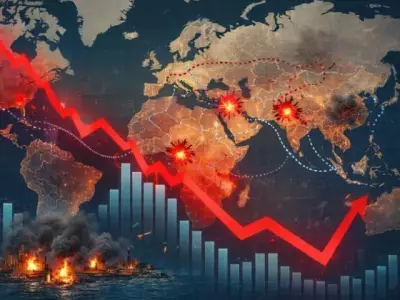
OCAC emphasized that any policy intervention relating to inventory gains should be guided by fairness, regulatory consistency, and long-term energy security, taking into account the unique operating realities of Pakistan's oil sector. The industry body drew attention to the market environment during March-April 2026, which reflected exceptional geopolitical developments and supply concerns enveloping global energy markets.
Historical oil market behavior demonstrates that inventory valuation gains realized during periods of rising prices from geopolitical developments or supply disruptions are temporary and may be substantially reduced or converted into inventory valuation losses following subsequent market corrections. Accordingly, both outcomes are inherent and unavoidable consequences of maintaining strategic stocks and should be viewed as part of a single inventory risk cycle rather than isolated events.
Industry's Role in Energy Security
Since the onset of the recent geopolitical crisis, the oil industry has worked closely with the government and regulator to ensure uninterrupted availability of petroleum products. The industry's ability to maintain adequate inventories played a critical role in preserving supply continuity and market stability.
Under the applicable regulatory framework, oil marketing companies are required to maintain a mandatory 20-day stock cover. These inventories do not represent commercial or speculative activity; rather, they are held to meet a statutory obligation to support economic activity and safeguard energy security. Consequently, OMCs remain continuously exposed to fluctuations in international oil prices.
Dependence on Imports
Pakistan's petroleum supply chain operates with significant dependence on imported crude oil and petroleum products. Approximately 80% of crude oil requirements, 70% of motor gasoline, and 30% of high-speed diesel are sourced from international markets. Inventory valuation gains should not be viewed as extraordinary or windfall profits, but as one component of the broader risk-return framework associated with maintaining mandatory inventories.
Current international market indicators for July-September 2026 suggest a relatively weak global demand outlook, a softening freight environment, and a gradual easing of geopolitical risk premiums. Many market observers anticipate possible price corrections in the coming months, which could offset a substantial portion of valuation gains realized during the current pricing cycle.
OCAC's Request
In view of the foregoing, OCAC requests that any proposal relating to the recovery of inventory valuation gains be evaluated in the context of the complete inventory risk cycle, the mandatory nature of inventory holdings, and the potential implications for energy security, market stability, and the long-term sustainability of Pakistan's petroleum supply chain.