The Pakistan Business Forum (PBF), an independent private-sector advocacy organization, on Saturday called on the government to revive the long-stalled Iran-Pakistan gas pipeline project. The group argued that the recent easing of regional tensions, following Pakistan's mediation of a truce between the United States and Iran earlier this month, has created a favorable environment for deepening economic cooperation with Tehran and strengthening Pakistan's energy security.
Background of the pipeline project
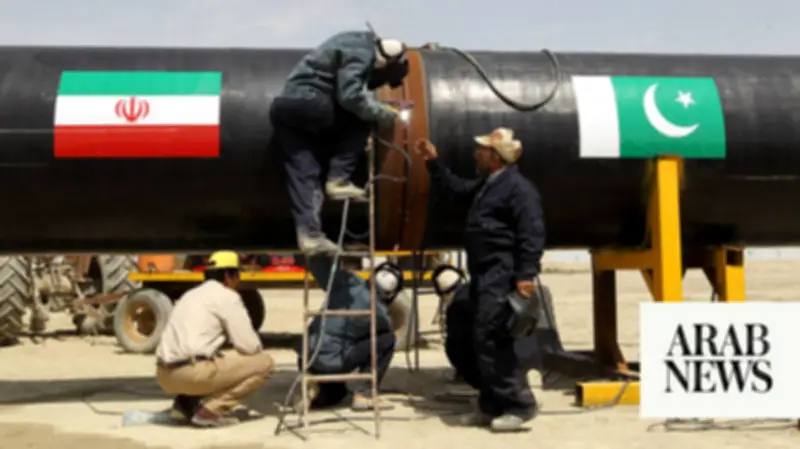
The Iran-Pakistan gas pipeline, also known as the Peace Pipeline, was designed to supply up to 750 million cubic feet of natural gas per day to Pakistan. The project has remained stalled for years due to international sanctions on Iran, financing constraints, and diplomatic pressures, despite Pakistan's chronic energy shortages. The proposed pipeline would transport natural gas from Iran's South Pars field to Pakistan, potentially easing gas shortages and increasing fuel supplies for power generation and industry.
PBF's statement and key recommendations
In a statement, PBF Chief Organizer Ahmad Jawad emphasized the critical link between energy security and economic growth. "The future of Pakistan’s economy depends on affordable and reliable energy," he said. "Energy security is directly linked with industrial growth, exports, employment and investment." He added that if implemented within an appropriate legal and diplomatic framework, the pipeline could become a strategic economic asset for Pakistan.

The forum urged the government to use the current diplomatic opening to revive discussions on the pipeline while expanding bilateral trade and investment with Iran. It noted that bilateral trade between Pakistan and Iran remains around $2 billion annually, despite the two countries sharing a roughly 900-kilometer border. The PBF argued that improved banking channels, border infrastructure, and customs procedures could significantly increase commercial exchanges.
Proposals for enhanced economic cooperation
The PBF also recommended the establishment of a joint economic council with private-sector representation, operationalization of additional border markets, facilitation of business visas, encouragement of joint ventures, and improvement of transport and logistics links. The forum identified agriculture, mining, tourism, renewable energy, manufacturing, and digital technology as sectors with strong potential for future cooperation between the two neighboring countries.
Impact of regional thaw
The call for revival comes after Pakistan helped mediate a truce between the United States and Iran earlier this month, which has raised hopes of improved regional stability and renewed economic engagement. The easing of tensions could potentially lead to a relaxation of sanctions on Iran, making the pipeline project more feasible. The PBF's statement underscores the opportunity for Pakistan to leverage its diplomatic role to secure long-term energy supplies and boost economic ties with Tehran.