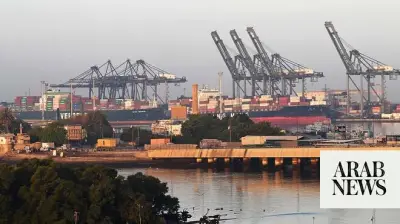
Pakistan Maintains Uninterrupted Petroleum Supply Amid Global Price Volatility
In a significant development for the nation's energy security, Pakistan has successfully ensured a steady and uninterrupted supply of petroleum products despite facing considerable price pressures in the international market. This achievement underscores the government's proactive measures to stabilize the domestic fuel market and mitigate the impact of global economic fluctuations on local consumers.
Strategic Management of Fuel Reserves
The government, in collaboration with key stakeholders in the energy sector, has implemented a comprehensive strategy to manage petroleum reserves effectively. This includes maintaining optimal stock levels of essential fuels such as petrol and high-speed diesel to prevent any potential shortages. By leveraging strategic planning and timely procurement, authorities have navigated the challenges posed by volatile crude oil prices and supply chain disruptions.
Key initiatives have been undertaken to bolster the supply chain, including:

- Enhancing storage capacity at major depots and terminals across the country.
- Streamlining import procedures to ensure timely arrivals of petroleum shipments.
- Coordinating with international suppliers to secure favorable terms and reliable delivery schedules.
Addressing Global Price Pressures
Despite the upward trend in global crude oil prices, driven by factors such as geopolitical tensions and production cuts by major oil-exporting nations, Pakistan has managed to cushion its domestic market from severe shocks. The government's pricing mechanism, which adjusts fuel rates periodically based on international benchmarks, has been instrumental in balancing consumer affordability with economic sustainability.
Experts note that this approach helps prevent abrupt price hikes that could strain household budgets and disrupt industrial operations. By closely monitoring market trends and adjusting policies accordingly, Pakistan aims to maintain a stable fuel supply without compromising on fiscal responsibilities.
Impact on the Economy and Daily Life
The steady supply of petroleum products is crucial for various sectors of the economy, including transportation, agriculture, and manufacturing. Reliable access to fuel ensures that businesses can operate smoothly, farmers can power their machinery, and commuters can travel without interruption. This stability contributes to overall economic growth and enhances the quality of life for citizens.
Moreover, the government's efforts to manage petroleum supply have broader implications for energy security and national resilience. By reducing dependency on erratic market conditions, Pakistan strengthens its position to handle future challenges and support sustainable development goals.
Future Outlook and Continued Vigilance
Looking ahead, authorities remain committed to sustaining this positive trajectory. Plans are in place to further diversify energy sources and invest in renewable alternatives to reduce reliance on imported petroleum. However, in the short to medium term, maintaining a robust supply chain for conventional fuels remains a top priority.
Continuous monitoring of global oil markets and adaptive policy-making will be essential to navigate potential uncertainties. The government's proactive stance serves as a model for other nations grappling with similar energy challenges, highlighting the importance of strategic planning in ensuring national stability.