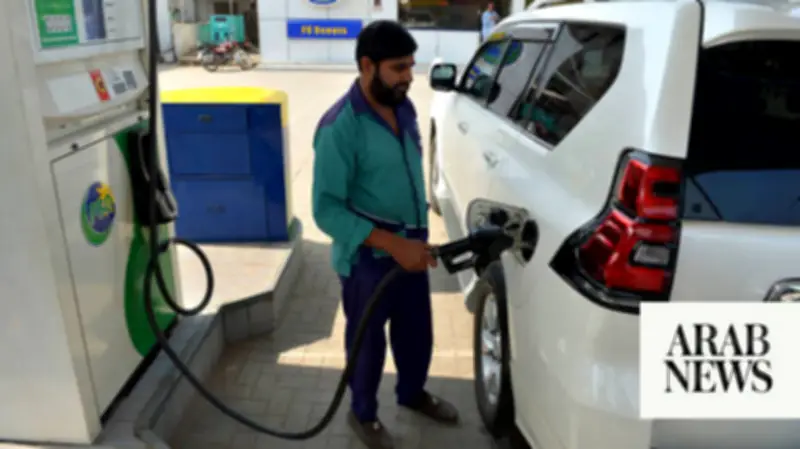
Pakistan has kept petrol and diesel prices unchanged for the coming week, the energy ministry said on Friday, after a ceasefire between the United States and Iran eased pressure on global oil markets and helped stabilize international crude prices.
Background of the Middle East conflict
The Middle East conflict that began in late February disrupted shipping through the Strait of Hormuz, a vital route for global oil trade, driving up oil prices and increasing fuel costs for import-dependent countries such as Pakistan.
Prime Minister Shehbaz Sharif slashed fuel prices last week, cutting petrol by Rs74 per liter to Rs299.50 and diesel by Rs67 per liter to Rs311.47, as global oil prices fell following the Islamabad Memorandum of Understanding between the US and Iran that ended months of conflict.

Government decision on fuel prices
“The Government of Pakistan has decided to maintain the following existing prices of the petroleum products till further orders,” the Ministry of Energy’s Petroleum Division said.
Last week, PM Sharif said the decline in global oil prices and improving regional economic conditions had enabled the government to pass on the relief to the public, fulfilling a commitment it had made during the crisis.
Impact on Pakistan's fuel supply
Despite concerns over disruptions to regional energy supplies, Pakistan avoided the fuel shortages and rationing experienced by some countries during the Middle East crisis.
Pakistan’s government sought to shield consumers from rising energy costs throughout the conflict, absorbing part of the price shock through budgetary savings and spending cuts.