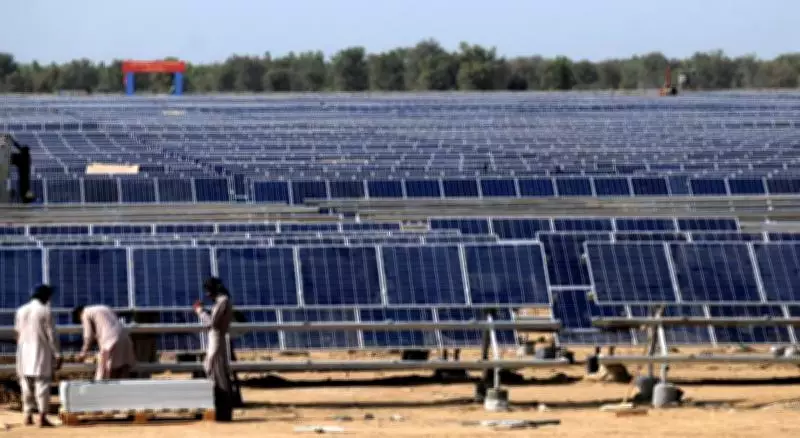
Pakistan's Unplanned Solar Boom: A Grid Under Pressure
Pakistan is experiencing a significant and rapid surge in solar energy adoption, but this boom has caught the nation's power infrastructure unprepared, leading to severe strains on the national grid. Driven primarily by soaring electricity costs, consumers and businesses are increasingly turning to solar panels as a cost-effective alternative. However, the lack of coordinated planning and regulatory foresight has resulted in grid instability and financial challenges for power distribution companies.
The Driving Forces Behind the Solar Surge
The primary catalyst for this solar boom is the escalating cost of electricity in Pakistan. With tariffs rising steadily, many households and commercial entities find solar power an attractive and economical solution. This shift is not merely a trend but a necessity for those seeking to reduce their energy bills and achieve greater energy independence. The government's previous incentives and policies aimed at promoting renewable energy have also played a role, albeit without adequate infrastructure upgrades to support the influx.
Additionally, advancements in solar technology and decreasing costs of solar panels have made this renewable source more accessible to a broader segment of the population. From urban centers to rural areas, the installation of solar systems has become commonplace, reflecting a grassroots movement towards sustainable energy. However, this rapid deployment has outpaced the grid's capacity to integrate such distributed generation effectively.

Grid Instability and Financial Implications
The unplanned nature of this solar expansion is causing significant technical issues for the national grid. As more solar power is fed into the system, especially during peak sunlight hours, the grid faces challenges in managing the variable supply. This can lead to voltage fluctuations, frequency deviations, and even blackouts in some regions. Power distribution companies are struggling to balance the load, as traditional power plants must adjust their output to accommodate the intermittent solar input, often resulting in inefficiencies and increased operational costs.
Financially, the solar boom is impacting power companies' revenue streams. With consumers generating their own electricity, there is a reduction in demand from the grid, leading to lower sales for distribution companies. This, coupled with the fixed costs of maintaining grid infrastructure, is creating financial losses and threatening the sustainability of the power sector. The situation highlights the urgent need for updated tariffs and regulatory frameworks that account for distributed energy resources.
The Path Forward: Planning and Integration
To address these challenges, Pakistan must develop a comprehensive strategy for integrating solar energy into the national grid. This includes investing in smart grid technologies that can better manage distributed generation, such as advanced metering infrastructure and energy storage systems. Regulatory reforms are also crucial, including the implementation of net metering policies that fairly compensate solar producers while ensuring grid stability.
Furthermore, collaboration between government agencies, power companies, and solar installers is essential to create a cohesive plan. Public awareness campaigns can educate consumers on best practices for solar installation and grid interaction. By taking proactive steps, Pakistan can harness the benefits of solar energy—such as reduced carbon emissions and energy security—without compromising grid reliability.
In summary, while Pakistan's solar boom represents a positive shift towards renewable energy, the lack of planning has exposed critical vulnerabilities in the power grid. Addressing these issues through strategic investments and policy adjustments will be key to ensuring a stable and sustainable energy future for the nation.