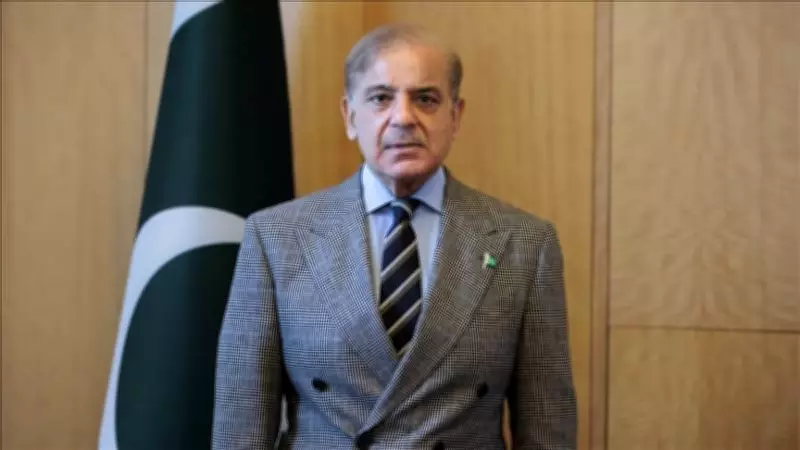
Prime Minister Shehbaz Sharif has approved the formation of a task force to develop a comprehensive waste-to-energy policy, signaling a significant step towards addressing the country's energy crisis and environmental challenges. The decision was made during a meeting chaired by the prime minister, where officials presented the potential of converting municipal and industrial waste into energy.
Task Force Composition and Objectives
The task force will comprise experts from the energy, environment, and finance sectors, along with representatives from provincial governments. Its primary objective is to formulate a policy that facilitates the establishment of waste-to-energy plants across the country. The policy aims to reduce reliance on fossil fuels, mitigate waste management issues, and generate clean energy.
Current Energy Landscape
Pakistan faces chronic energy shortages, with demand often outstripping supply. Simultaneously, the country generates millions of tons of solid waste annually, much of which ends up in landfills, causing environmental pollution. The waste-to-energy approach offers a dual solution by converting waste into a resource for power generation.

International Best Practices
The task force will study successful waste-to-energy models from countries like Sweden, Germany, and Japan. These nations have effectively turned waste into a valuable energy source, reducing landfill usage and greenhouse gas emissions. The policy will adapt these practices to local conditions, considering Pakistan's waste composition and infrastructure.
Economic and Environmental Benefits
Experts estimate that waste-to-energy projects could add up to 500 megawatts to the national grid, create thousands of jobs, and attract foreign investment. Environmentally, it would reduce methane emissions from landfills and improve urban sanitation. The policy also aligns with Pakistan's commitments under the Paris Agreement to reduce carbon emissions.
Challenges and Next Steps
Key challenges include high initial capital costs, lack of technical expertise, and regulatory hurdles. The task force will propose incentives for private sector participation, such as tax breaks and guaranteed power purchase agreements. A draft policy is expected within three months, followed by public consultation and cabinet approval.
The prime minister directed the task force to work expeditiously and engage with international partners for technology transfer and funding. He emphasized that waste-to-energy is a priority for the government's sustainable development agenda.