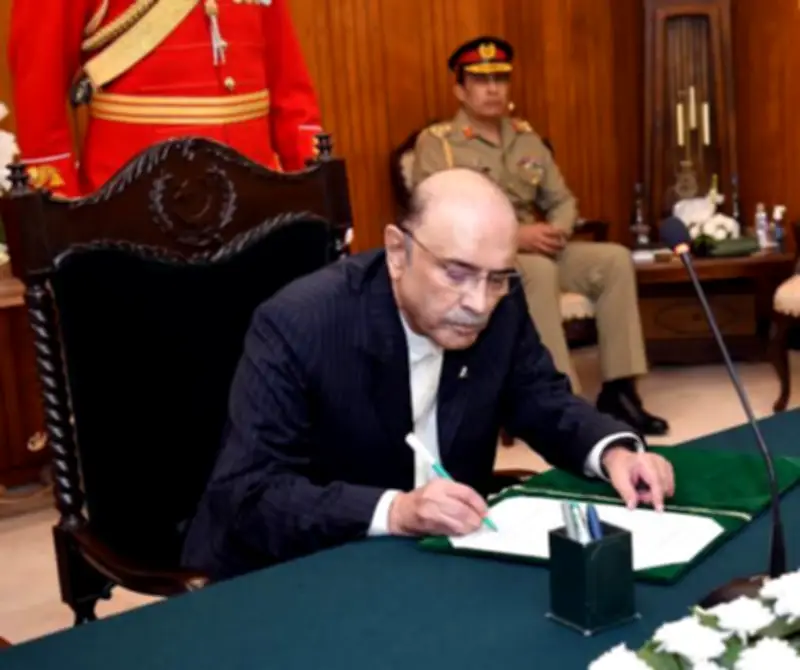
President Asif Ali Zardari on Monday signed the OGRA (Oil and Gas Regulatory Authority) Amendment Ordinance 2026, bringing sweeping changes to the regulation of Pakistan's petroleum sector. The ordinance aims to overhaul pricing mechanisms, strengthen consumer safeguards, and improve the efficiency of the regulatory body.
Key Provisions of the Ordinance
According to an official statement from the President's Secretariat, the ordinance introduces a new formula for determining petroleum product prices, linking them more closely to international market rates while incorporating a mechanism to mitigate sudden price shocks for consumers. It also mandates quarterly reviews of gas tariffs and requires OGRA to publish detailed justifications for any price adjustments.
The ordinance empowers OGRA to impose penalties on oil marketing companies and refineries that violate safety standards or engage in anti-competitive practices. Fines can now reach up to Rs 50 million for serious infractions, with repeat offenders facing potential license revocation.

Consumer Protection Measures
A major focus of the amendment is consumer protection. The ordinance establishes a dedicated Consumer Affairs Directorate within OGRA to handle complaints and ensure fair billing practices. It also requires fuel stations to display prices prominently and maintain accurate dispensing equipment. Consumers who are overcharged can claim compensation of three times the excess amount.
“This ordinance is a significant step towards ensuring transparency and accountability in the oil and gas sector,” said a senior official from the Ministry of Energy, speaking on condition of anonymity. “It will help protect consumers from arbitrary price hikes and ensure that companies operate responsibly.”
Impact on Industry and Economy
The amendments are expected to have a substantial impact on the energy sector. By streamlining regulatory processes, the government hopes to attract investment in upstream exploration and downstream infrastructure. The ordinance also introduces incentives for companies that invest in renewable energy projects, aligning with Pakistan's long-term energy diversification goals.
Industry analysts predict that the new pricing formula could lead to more frequent but smaller adjustments in fuel prices, reducing the burden on consumers during global price spikes. However, some experts caution that the success of the reforms depends on effective implementation and monitoring.
The ordinance comes amid rising domestic fuel prices and growing public frustration over high energy costs. In recent months, petrol prices have increased by over 15%, driven by global crude oil volatility and a weakening Pakistani rupee. The government hopes that the new regulatory framework will provide stability and predictability.
Next Steps
The ordinance will remain in effect for 90 days, after which it must be approved by Parliament to become permanent law. The government plans to introduce a bill in the National Assembly during the upcoming session to seek parliamentary endorsement. Opposition parties have already signaled they will scrutinize the ordinance closely, particularly regarding the pricing formula and its impact on low-income households.
President Zardari’s signing of the ordinance marks the latest in a series of executive actions aimed at reforming key sectors of the economy. Earlier this month, he also signed ordinances related to the Securities and Exchange Commission of Pakistan and the Federal Board of Revenue.