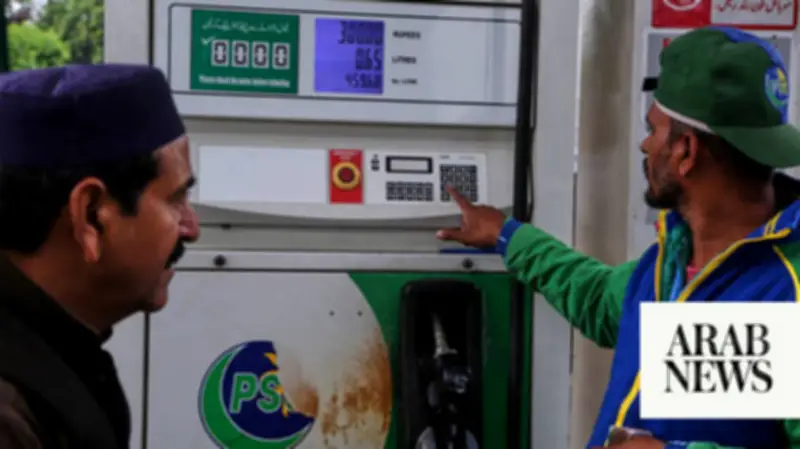
Islamabad: Pakistan’s inflation is expected to rise to 11.2 percent year-on-year in June, with lower oil prices following the partial reopening of the Strait of Hormuz and the signing of a US-Iran memorandum of understanding helping to keep price pressures in check, Insight Securities said in a report released on Tuesday.
Inflation forecast and low base effect
The brokerage’s forecast comes ahead of the Pakistan Bureau of Statistics’ official Consumer Price Index release and would mark a sharp rise from 3.2 percent inflation in June last year. Pakistan, a major fuel importer, is highly exposed to swings in global oil prices.
The US-Iran conflict had raised concerns over energy supplies through the Strait of Hormuz, one of the world’s most important oil shipping routes, before a Pakistan-mediated diplomatic process led to the signing of the Islamabad Memorandum of Understanding this month.

Oil price retreat and inflation outlook
“Oil prices have retreated sharply following the partial reopening of Strait of Hormuz and signing of MoU between US and Iran,” Insight Securities said in the report. “While the risk of a conflict has not completely dissipated, ongoing military exchanges suggest that the likelihood of a prolonged escalation has subsided to a large extent.”
The brokerage said the easing in oil prices was positive for Pakistan’s inflation outlook, particularly as the impact of last year’s low base begins to fade from August. “This bodes well for inflation outlook, as base effect begins to fade from Aug’26 onward,” the report said. “Additionally, room for reductions in retail fuel prices should help keep inflation in check.”
Headline and month-on-month inflation
Insight Securities said headline inflation was expected at 11.2 percent in June, compared with 3.2 percent in the same period last year and 11.7 percent in May. It said the year-on-year increase was mainly driven by a low base effect and higher food and housing indices.
On a month-on-month basis, however, inflation is expected to decline by 0.2 percent, mainly due to lower fuel prices and reduced electricity charges, despite higher fuel cost adjustments.
Food price trends
The report said food prices were likely to rise 0.5 percent during the month because of elevated prices of perishable items. Within the weekly Sensitive Price Indicator basket, tomatoes, potatoes and onions recorded significant price increases, while chicken, fresh vegetables, motor fuel, eggs and pulse moong became cheaper during the month, according to the report.
Average inflation and core inflation
Insight Securities projected average inflation for fiscal year 2025-26 at around 7.0 percent, compared with 4.6 percent in the previous fiscal year. “Core inflation continues to remain sticky and likely to clock in at ~9.7 percent/8.8 percent for urban/rural baskets, respectively,” the report said.
Interest rate outlook
The brokerage said the timing and scale of any future interest rate cuts would depend on the global macroeconomic environment, the monetary policy stance of major central banks and weather-related risks, which it said would remain an important consideration for Pakistan’s Monetary Policy Committee.