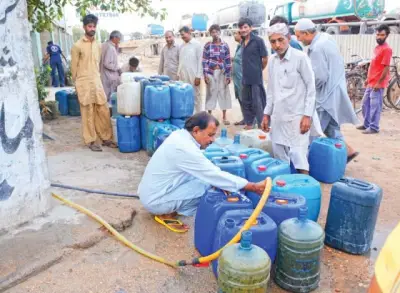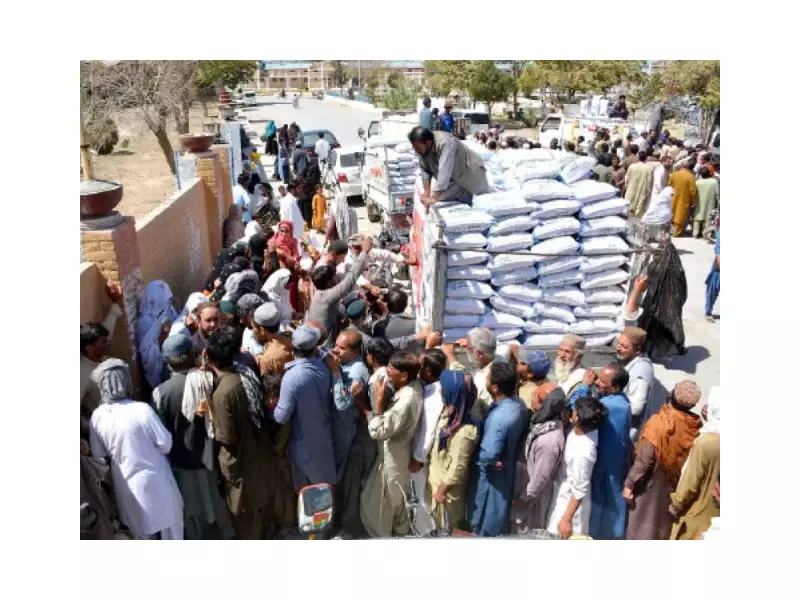
Pakistan's cost-of-living crisis has intensified dramatically, with short-term inflation measured by the Sensitive Price Indicator (SPI) recording a staggering year-on-year increase of 28.4% for the week ending May 16, 2024. This sharp rise underscores the severe financial pressure on households across the nation.
Essential Food Items Lead the Price Surge
The data released by the Pakistan Bureau of Statistics (PBS) paints a grim picture, with the prices of several essential kitchen items skyrocketing. The most shocking increase was seen in tomato prices, which exploded by 179.56% compared to the same week last year. This was closely followed by onions, which became costlier by 84.59%.
Other significant contributors to the inflation spike include gas charges for Q1, which rose by 57.33%, and chicken prices, which increased by 38.95%. The list of items with double-digit inflation is long and worrying for the average consumer:

- Garlic Powder: Up 35.88%
- Tea Lipton: Up 34.53%
- Wheat Flour: Up 29.47%
- Beef: Up 27.93%
- Rice Basmati Broken: Up 27.63%
- Mutton: Up 24.72%
- Mustard Oil: Up 23.51%
Week-on-Week Changes and a Few Exceptions
On a week-on-week basis, the SPI increased by 0.63%. The weekly analysis shows that out of 51 items monitored, prices of 19 items increased, 12 decreased, and 20 remained stable.
While most items saw prices rise, a few provided minor relief. Notably, tomato prices actually decreased by 3.67% compared to the previous week. Other items that became cheaper on a weekly basis included onions (down 2.83%), chicken (down 1.67%), and potatoes (down 1.04%).
However, these minor weekly decreases were overshadowed by significant weekly hikes in other essentials. Eggs became costlier by 5.35%, garlic powder by 2.39%, and wheat flour by 1.79% in just one week.
Broader Economic Implications and Consumer Impact
The relentless rise in the Sensitive Price Indicator is a direct indicator of the severe erosion of purchasing power for millions of Pakistanis, particularly those in the middle and lower-income brackets. The SPI is specifically designed to track prices of goods and services frequently consumed by households, making it a more immediate measure of on-ground hardship compared to broader inflation indices.
This persistent inflationary trend, especially in food and energy, forces families to make difficult choices, often sacrificing nutritional quality or other essential needs. The government faces mounting pressure to implement effective measures to stabilize prices and provide targeted relief to vulnerable segments of society.
The situation calls for urgent policy interventions to address supply chain issues, market hoarding, and the fundamental economic challenges driving this sustained period of high inflation. The coming weeks will be critical in determining whether this trend can be reversed or if Pakistani consumers must brace for further financial strain.