In a significant shift within Pakistan's cultural landscape, henna stickers are rapidly gaining popularity as a modern and convenient alternative to traditional mehndi application. This trend is particularly noticeable during wedding seasons and festive occasions, where intricate designs are highly valued but time and mess are common concerns.
The Rise of Henna Stickers in Pakistani Culture
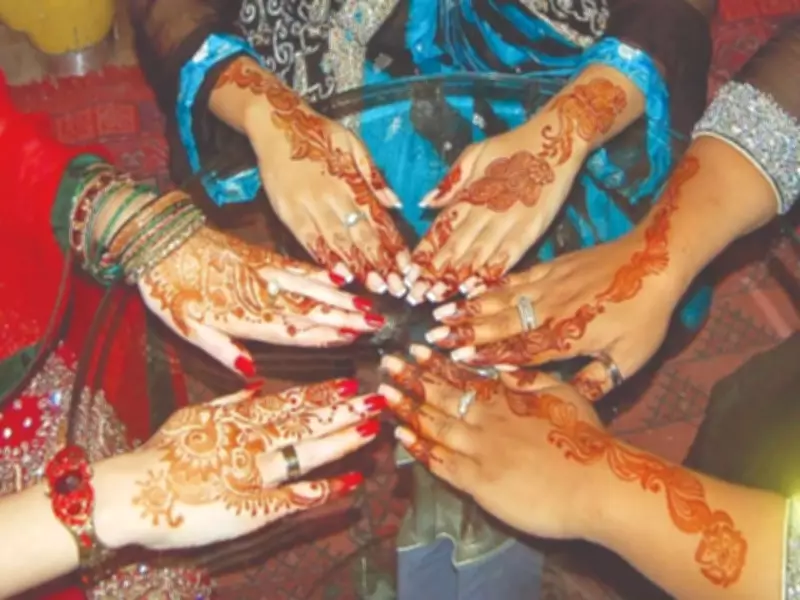
Traditional mehndi, applied as a paste made from henna leaves, has been an integral part of Pakistani culture for centuries, especially for brides during wedding ceremonies. However, the application process can be time-consuming, often taking several hours to complete, and requires significant skill to create detailed patterns. Additionally, the paste needs to dry and stain the skin, which can be messy and inconvenient for many individuals.
Convenience and Accessibility Driving Adoption
Henna stickers address these challenges by offering pre-designed adhesive patterns that can be applied quickly and easily. These stickers come in various intricate designs, mimicking traditional motifs such as floral patterns, paisleys, and geometric shapes. Users simply peel off the backing and press the sticker onto their skin, achieving a similar aesthetic effect without the lengthy application process or cleanup.

The convenience factor is a major driver behind this trend. For busy individuals attending multiple events or those with limited time, henna stickers provide a practical solution. They are also appealing to people who may not have access to skilled mehndi artists or prefer to avoid the potential skin irritation that can sometimes occur with natural henna paste.
Market Growth and Consumer Response
The market for henna stickers has seen substantial growth in recent years, with local vendors and online platforms reporting increased sales. Social media platforms have played a crucial role in popularizing these products, with influencers and users sharing photos and tutorials on how to apply the stickers effectively. This visibility has helped normalize their use in both casual and formal settings.
Consumer feedback highlights several advantages of henna stickers over traditional mehndi. They are often praised for their ease of use, consistency in design, and the ability to experiment with different patterns without long-term commitment. However, some traditionalists argue that they lack the cultural authenticity and ritual significance of hand-applied mehndi, which is often associated with blessings and celebrations in Pakistani traditions.
Impact on Traditional Mehndi Artisans
The growing popularity of henna stickers has sparked discussions about its impact on traditional mehndi artisans. While some fear that this trend might reduce demand for skilled artists, others see it as an opportunity for innovation. Many artisans are adapting by incorporating sticker designs into their services or offering hybrid options that combine traditional application with sticker elements for added detail.
This evolution reflects a broader trend in cultural practices, where modern alternatives coexist with traditional methods. In Pakistan, where cultural heritage is deeply valued, such adaptations are often viewed as a way to preserve traditions while embracing contemporary conveniences.
Future Trends and Cultural Significance
Looking ahead, the popularity of henna stickers is expected to continue rising, especially among younger generations who prioritize convenience and versatility. Manufacturers are responding by expanding their design ranges to include more culturally specific patterns and improving the quality of adhesives to ensure longer wear and better skin compatibility.
Despite the shift towards modern alternatives, traditional mehndi remains a cherished practice in many Pakistani households, particularly for significant events like weddings. The coexistence of both methods highlights the dynamic nature of cultural expression, where innovation and tradition can complement each other rather than compete.

In conclusion, henna stickers represent a notable trend in Pakistan's cultural scene, offering a practical and accessible option for those seeking the beauty of mehndi without the associated challenges. As this market grows, it will be interesting to observe how it influences traditional practices and fosters new forms of artistic expression within the community.