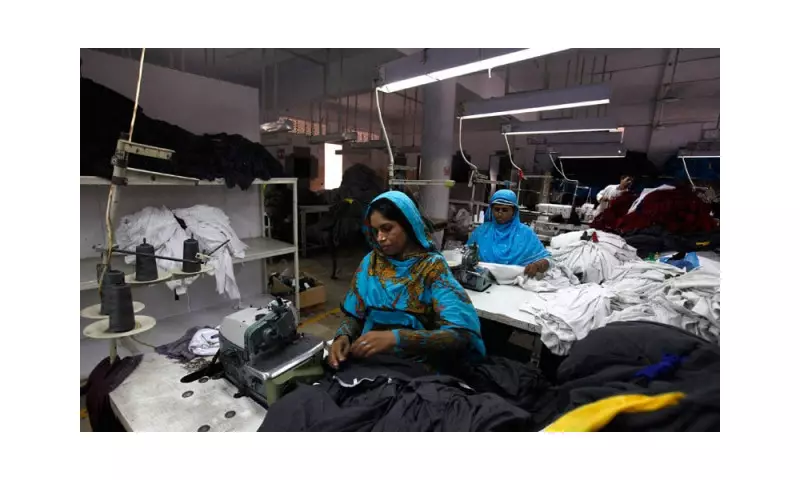
The Government of Pakistan has initiated a landmark move to formally empower its women entrepreneurs. The Ministry of Information Technology and Telecommunication is spearheading the development of the country's first-ever dedicated National Women Entrepreneurship Policy.
Addressing Systemic Barriers for Female Founders
This policy is being formulated with the explicit goal of dismantling the unique challenges that women face when starting and scaling businesses in Pakistan. Key areas of focus include improving access to crucial financial resources, providing targeted skills and digital literacy training, and creating better linkages to both domestic and international markets. The initiative recognizes that empowering women economically is not just a social imperative but a significant driver for national economic growth and innovation.
The ministry has already conducted preliminary consultations with various stakeholders, including successful women entrepreneurs, to ground the policy in real-world experiences. This collaborative approach aims to ensure the final document is practical and addresses the most pressing pain points.

A Framework for Inclusion and Growth
The envisioned policy seeks to create a supportive ecosystem that goes beyond one-off initiatives. It plans to establish a more structured framework where women can find mentorship, navigate regulatory processes more easily, and gain visibility for their ventures. Special attention is expected to be given to promoting entrepreneurship in technology and digital services, sectors with high growth potential.
By formalizing support through a national policy, the government aims to send a strong signal of commitment to gender-inclusive economic participation. This move is aligned with broader global trends and sustainable development goals that emphasize women's role in building resilient economies.
Potential Impact and the Road Ahead
The development of this policy marks a critical step towards harnessing the untapped potential of half the population. If effectively implemented, it could lead to a substantial increase in the number of women-led startups and small businesses, contributing to job creation, poverty reduction, and a more diverse economic landscape.
The success of this policy will ultimately depend on its implementation mechanism, the allocation of dedicated resources, and sustained collaboration between the public and private sectors. As the draft takes shape, further rounds of consultation with provincial governments, financial institutions, and the business community will be essential to create a robust and actionable final policy.
This proactive step by the IT Ministry is widely seen as a positive development that could pave the way for a more inclusive and dynamic entrepreneurial culture in Pakistan, unlocking new avenues for prosperity and innovation led by women.