Egypt Unveils $27 Billion 'The Spine' Smart City Project East of Cairo
In a major urban development initiative, the Egyptian government has officially launched "The Spine," a massive mixed-use city project with investments exceeding 1.4 trillion Egyptian pounds (approximately $27 billion). The ambitious project aims to drive urban expansion while significantly boosting the country's economic growth trajectory.
Project Details and Strategic Location
The Spine will be developed by Egypt's prominent Talaat Moustafa Group in strategic partnership with the National Bank of Egypt, combining substantial government backing with private-sector execution capabilities. Located east of Cairo within TMG's existing Madinaty development, the project will be established as a special investment zone spanning approximately 2.4 million square meters.
The comprehensive urban environment will seamlessly integrate residential areas, commercial districts, hospitality facilities, retail spaces, entertainment venues, and extensive public green spaces within a single, cohesive development framework.

Economic Impact and Job Creation
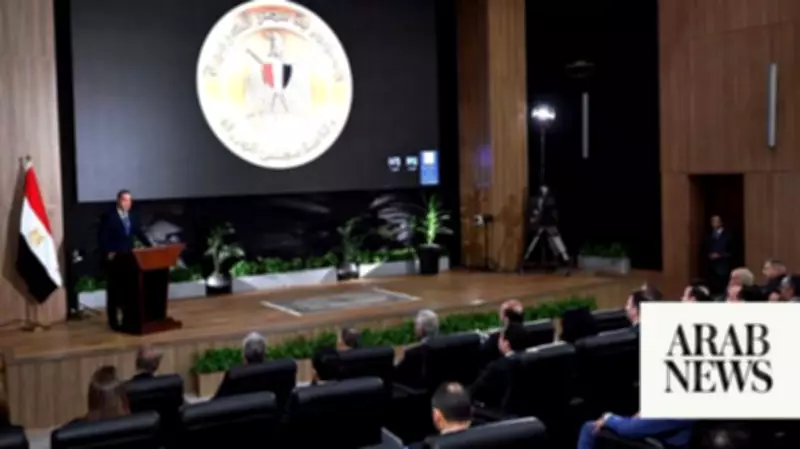
Prime Minister Mostafa Madbouly, speaking at the project's launch ceremony, emphasized the significant economic implications of The Spine development. "The important message from the launch of this project at this time is that in the midst of what we are witnessing globally and locally, there are huge investments that see Egypt blessed with security and stability," Madbouly stated.
The prime minister further elaborated that the project will create more than 155,000 job opportunities and generate tax revenues exceeding 800 billion Egyptian pounds over its development and operational phases. According to TMG estimates, the investment represents roughly 1 percent of Egypt's gross domestic product and is projected to generate approximately 818 billion Egyptian pounds in tax revenues over time.
Smart City Features and Technological Integration
The Spine is designed as a cutting-edge smart city powered by artificial intelligence technologies, aimed at enhancing residents' quality of life while improving service delivery efficiency. This technological integration positions Egypt among nations investing heavily in developing integrated urban hubs that combine administrative, commercial, financial, and entertainment functions within advanced technological frameworks.
Broader Economic Context and Reform Agenda
The launch of The Spine comes as Egypt continues to implement comprehensive macroeconomic reforms designed to attract both domestic and foreign investment while supporting sustainable economic growth. Prime Minister Madbouly highlighted Egypt's strong economic progress, noting increasing investment across multiple sectors.
"In the next few days, we will see the opening of a number of large industrial projects in the economic zone of the Suez Canal," Madbouly added, indicating broader development initiatives complementing The Spine project.
International Recognition of Economic Progress
Egypt's economic reform efforts have recently received positive recognition from international ratings agencies. Earlier this month, S&P Global Ratings affirmed Egypt's sovereign credit ratings at "B-/B" with a stable outlook, specifically citing progress in macroeconomic reforms and improved external buffers.
Similarly, Moody's Investors Service reaffirmed Egypt's long-term sovereign credit rating at Caa1 while maintaining a positive outlook, pointing to ongoing fiscal consolidation and structural reforms as contributing factors to economic stabilization.
The Spine project represents a significant milestone in Egypt's urban development strategy, combining substantial private investment with government support to create what officials describe as a transformative urban environment that will contribute to Egypt's economic diversification and growth objectives for years to come.