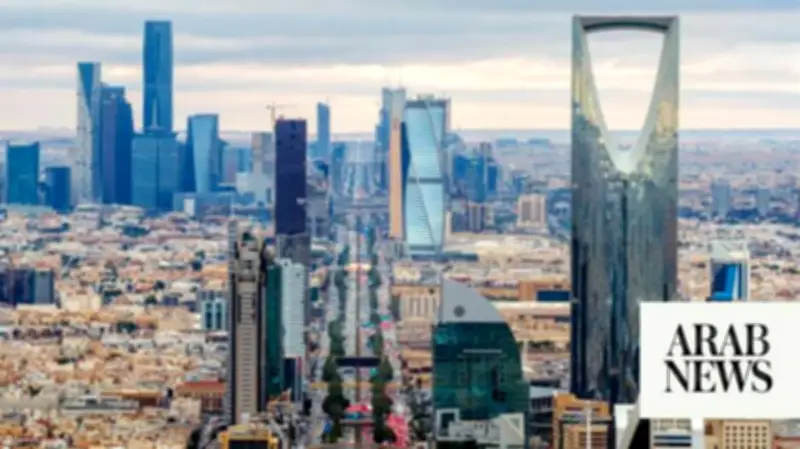
The Royal Commission for Riyadh City (RCRC) has commenced the implementation of architectural and urban design guidelines for a key area within the capital's central commercial axis, spanning from Al-Urooba Road in the south to the Northern Ring Road in the north. The initiative also includes the resumption of development permit issuance within this zone, according to a recent report.
Regulatory Framework for Urban Development
The guidelines establish a comprehensive regulatory and technical framework for development, setting standards and controls that govern urban growth and architectural design. They provide direction for building design, facades, pedestrian pathways, and public spaces, with the aim of enhancing urban quality and improving integration between buildings, streets, and open areas.
The initiative seeks to regulate urban and architectural development, improve build quality, reinforce Riyadh’s urban identity, and promote a vibrant, high-quality urban environment aligned with the city’s development goals.

Human-Centered Urban Environment
A core objective of the guidelines is to create a human-centered urban environment by improving connectivity, enhancing the pedestrian experience, increasing the quality of public spaces, and promoting mixed-use development. The guidelines also emphasize the expansion of green spaces and natural elements to foster a more comfortable and dynamic environment while strengthening the area’s urban identity.
Unlocking Development Potential
In addition, the guidelines unlock greater development potential by allowing increased building ratios and floor areas under clear regulations. This is intended to improve land-use efficiency while raising the quality of architectural and urban development in one of Riyadh’s key high-density corridors.
The measure is expected to provide a unified reference for landowners, developers, engineers, and consultants, enabling clearer compliance with development requirements. It also aims to improve transparency, enhance regulatory efficiency, and ensure higher-quality urban outcomes across the area.