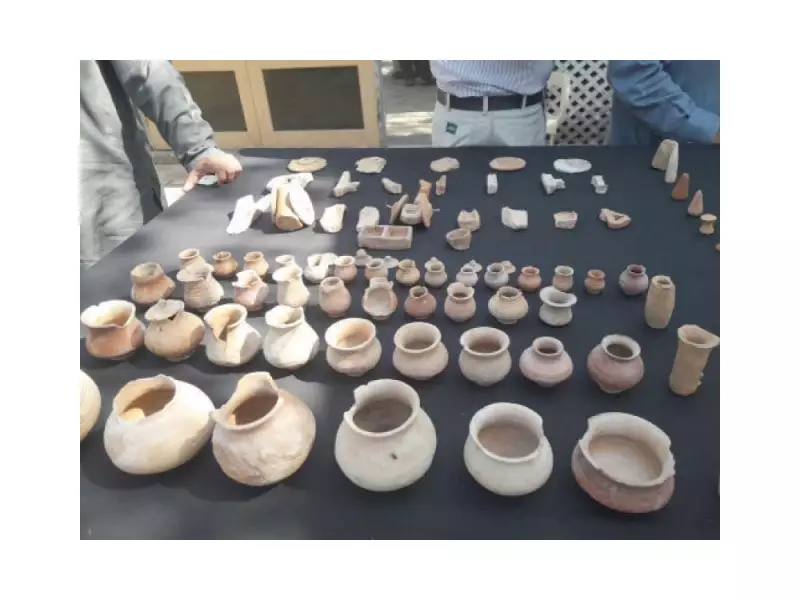
After a decade of meticulous excavation and research, archaeologists have unveiled groundbreaking findings from the ancient site of Chanheen Jo Daro, revealing fascinating insights into one of Pakistan's oldest civilizations. The extensive study conducted over ten years has uncovered evidence of advanced urban planning, sophisticated craftsmanship, and complex social structures that challenge previous understanding of ancient Sindh.
Unearthing Ancient Urban Planning
The archaeological team, led by prominent researchers, discovered that Chanheen Jo Daro represents a well-planned settlement dating back approximately 5,000 years. The site showcases remarkable urban infrastructure including sophisticated drainage systems, organized street patterns, and multi-room structures that indicate a highly developed society. These findings demonstrate that ancient inhabitants possessed advanced knowledge of architecture and city planning that rivaled contemporaneous civilizations.
Excavations revealed that the settlement was strategically located near ancient water sources, suggesting the inhabitants had mastered water management techniques. The discovery of various residential quarters, public spaces, and potential administrative buildings points to a stratified society with distinct social classes and specialized occupations.

Artifacts Revealing Ancient Craftsmanship
Among the most significant discoveries are numerous artifacts that showcase exceptional craftsmanship and artistic expression. Archaeologists uncovered intricately designed pottery, terracotta figurines, stone tools, and decorative items that provide valuable insights into the daily lives, religious practices, and artistic traditions of the ancient inhabitants.
The pottery collection features distinctive geometric patterns and motifs that appear unique to this region, suggesting the development of local artistic styles. Terracotta figurines depicting human and animal forms indicate the presence of ritual practices and possibly early religious beliefs. Stone tools and manufacturing debris found at the site reveal information about ancient technologies and production methods.
Chronological Development and Cultural Significance
Through careful stratigraphic analysis and radiocarbon dating, researchers have established a chronological framework for the site's occupation. The settlement appears to have been continuously inhabited for several centuries, with evidence of multiple construction phases and cultural developments over time.
The findings at Chanheen Jo Daro significantly contribute to understanding the broader cultural landscape of ancient Pakistan. The site shows both similarities and distinct differences with other known archaeological sites in the region, suggesting it represents a unique cultural manifestation within the ancient Indus Valley civilization sphere.
Researchers emphasize that these discoveries fundamentally reshape our understanding of early urbanization in South Asia. The sophisticated planning and organization evident at Chanheen Jo Daro challenge previous assumptions about the development of complex societies in the region and highlight the need for continued archaeological investigation.
The decade-long research project has not only uncovered physical remains but has also provided crucial data for understanding climate patterns, agricultural practices, and trade networks of the ancient civilization. Analysis of soil samples, plant remains, and animal bones has revealed information about subsistence strategies and environmental conditions during the settlement's occupation.
As preservation efforts continue, archaeologists stress the importance of protecting this invaluable heritage site for future research and education. The findings from Chanheen Jo Daro stand as a testament to Pakistan's rich archaeological heritage and the sophisticated civilizations that flourished in the region thousands of years ago.