The Sindh government has taken a decisive step to safeguard its rich cultural legacy by launching a comprehensive survey of heritage and historical buildings across the province. This crucial initiative aims to document the current state of existing sites and identify new ones worthy of preservation.
High-Level Meeting Drives Heritage Initiative
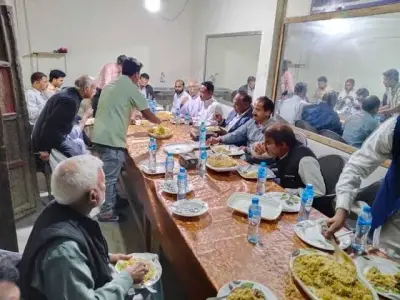
The decision was finalized during a significant meeting of the Consultative Committee on Cultural Heritage. The session was chaired by Sindh Chief Secretary Syed Asif Hyder Shah. The meeting saw participation from top officials, including the secretaries of Culture and Works & Services, the Director General of the Sindh Building Control Authority, and the director general of the Department of Archaeology. Prominent committee members such as Hamid Haroon, renowned archaeologist Dr. Kaleemullah Lashari, and architectural consultant Sohail Ahmed Kalhoro were also in attendance, lending their expertise to the discussion.
Updating the 2017 Survey and Strengthening Frameworks
Chief Secretary Asif Hyder Shah highlighted that the last official survey of heritage buildings in Sindh was conducted in 2017. That exercise led to the declaration of 3,371 structures as protected heritage sites. He emphasized that with the passage of time, it has become imperative to reassess the condition of these buildings, identify any new potential heritage sites, and formulate concrete plans for their conservation.

To ensure the technical robustness of this mission, the committee decided to strengthen the secretariat of the Heritage Department's technical committee. A key decision involved hiring qualified and competent officers from the market to provide dedicated secretariat support. Furthermore, the meeting concluded with a resolve to make existing laws for the protection of heritage buildings stricter and more effective, sending a strong message against neglect and illegal alterations.
Implications for Sindh's Cultural Legacy
This proactive move by the Sindh government signifies a renewed commitment to preserving the province's architectural and historical identity. The new survey will create an updated, actionable database that is critical for planning restoration projects, allocating funds, and enforcing protection laws. By involving leading archaeologists and consultants, the government aims to ensure the survey is conducted with the highest level of professional integrity. This initiative is expected to not only protect physical structures but also bolster cultural tourism and educate future generations about Sindh's illustrious past.