Riphah International Conference on Language and Culture Successfully Concludes in Lahore
The 2nd Riphah International Conference on Language, Literature, and Culture, known as RICOLLAC 2026, has officially concluded its proceedings. This significant academic gathering was organized by the Riphah Institute of Language and Literature at Riphah International University and took place at the Gulberg Campus in Lahore.
Conference Theme and Duration
The three-day international conference commenced on April 3 under the thought-provoking theme "Reclaiming the Humanities in the AI Era." This theme set the stage for extensive discussions on the evolving role of humanities disciplines in a world increasingly dominated by technological advancements.
Inaugural Proceedings and Leadership
The inaugural session began with traditional elements including a recitation from the Holy Qur'an and the National Anthem, followed by a formal welcome address. The conference was chaired by Dr Muhammad Islam, with Dr Shahid Imtiaz serving as Co-Chair, providing academic leadership throughout the event.

Distinguished Speakers and Keynote Lectures
The conference featured an impressive lineup of keynote lectures delivered by internationally renowned scholars. Notable speakers included:
- Dr Ahmar Mahboob
- Dr Claire Kramsch
- Dr Charles Browne
- Dr Louisa Buckingham
- Dr Andrew Carnie
These distinguished academics addressed critical contemporary themes including:
- Artificial intelligence applications in language education
- Digital discourse analysis
- Academic vocabulary development
- Endangered language preservation
- The intersection of technology and humanistic inquiry
Academic Sessions and Research Presentations
Across the three-day conference, multiple parallel sessions covered diverse academic areas:
- Applied linguistics
- Literary studies and criticism
- Discourse analysis methodologies
- Media studies and communication
- AI integration in language teaching practices
The conference showcased remarkable academic productivity with more than 150 research papers presented by scholars from both national and international institutions. This included 37 international papers from 8 different countries, demonstrating the global reach and significance of the conference.
Cultural and Networking Activities
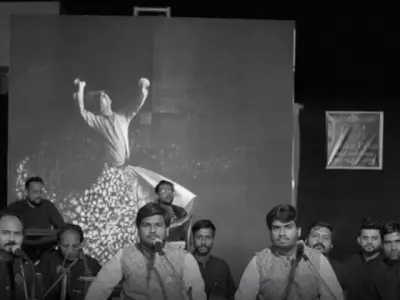
Beyond the academic sessions, RICOLLAC 2026 featured enriching cultural and networking activities. Participants enjoyed a Sufiana Kalam performance and a dramatic presentation, fostering both intellectual exchange and cultural appreciation among attendees from diverse backgrounds.
Closing Ceremony and Conference Impact
The conference concluded on Sunday with a formal closing ceremony that acknowledged the valuable contributions of organizers, speakers, and participants. RICOLLAC 2026 served as a significant platform for rethinking the relevance of humanities disciplines and reaffirming their central importance in addressing the complex challenges presented by the artificial intelligence era.
The conference successfully brought together distinguished scholars, researchers, and practitioners from across the globe to deliberate on how language, literature, and cultural studies can maintain their significance while adapting to technological transformations. The strong academic engagement reflected through the numerous research presentations indicates growing interest in preserving humanistic values within our increasingly digital world.