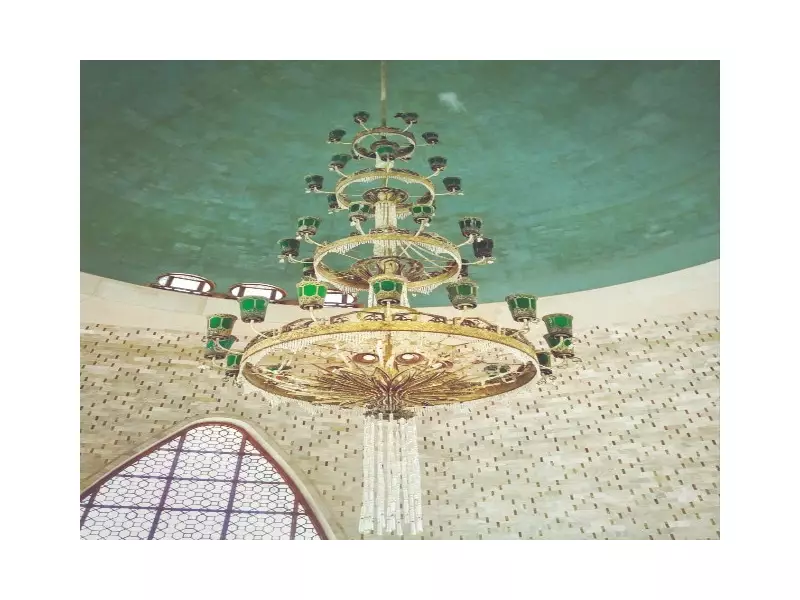
In a significant move to preserve Pakistan's national heritage, the magnificent chandelier that once graced the interior of Mazar-e-Quaid has been officially transferred to the National Museum in Karachi. This historic artifact, which illuminated the final resting place of Quaid-e-Azam Muhammad Ali Jinnah for generations, will now be accessible to the public in its new museum home.
A Symbolic Transition
The relocation marks an important chapter in the preservation of Pakistan's cultural legacy. The chandelier, known for its exquisite craftsmanship and historical significance, had been a central feature of the mausoleum's interior decor since the iconic structure's early years.
This transfer represents more than just moving an object - it symbolizes the ongoing commitment to safeguarding the nation's historical treasures for future generations. The chandelier's new placement in the National Museum ensures that visitors can appreciate its beauty and historical importance up close.

Preserving National Heritage
The decision to move the chandelier comes as part of broader efforts to enhance the visitor experience at both locations. While Mazar-e-Quaid continues to serve as a place of reverence and national pride, the National Museum provides the ideal environment for preserving and displaying such delicate historical artifacts.
The chandelier's intricate design and historical significance make it a perfect addition to the museum's collection, where it can be properly maintained and appreciated in context with other important pieces of Pakistan's history.
A New Chapter for an Old Treasure
Museum officials have expressed excitement about acquiring this important piece of national heritage. The chandelier will undergo necessary conservation measures before being put on permanent display, ensuring that it continues to shine as brightly for future generations as it did during its time at the mausoleum.
This strategic relocation allows the chandelier to be protected from environmental factors while making it accessible to students, historians, and citizens interested in Pakistan's rich cultural heritage.