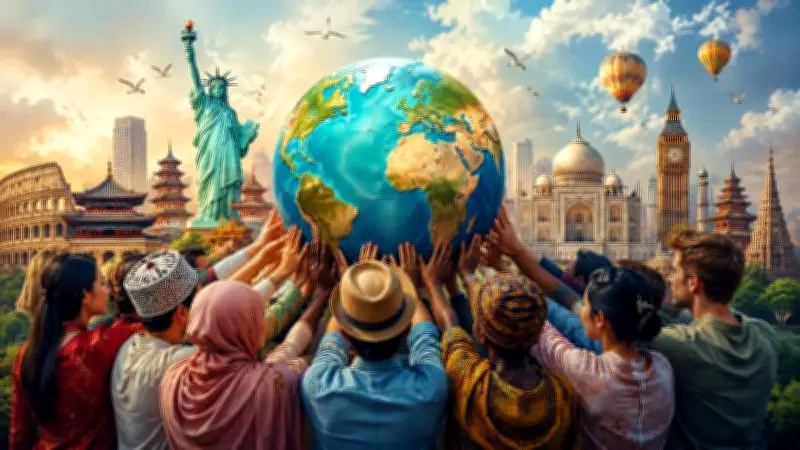
In a world increasingly divided by politics and conflict, culture often succeeds where diplomacy fails. In today's globalized world, nations compete not just on economic might or military strength, but also on the basis of their ideologies, cultures, and values. This strategy is known as cultural diplomacy. It involves the application of language, literature, music, art, education, and cultural exchanges to enhance international relations. Cultural diplomacy is a peaceful and successful means of fostering understanding between individuals and nations at a time when political tensions and wars continue to influence international affairs.
The Essence of Cultural Diplomacy
Conventional diplomacy primarily focuses on discussions between governments. However, cultural diplomacy operates at the interpersonal level. It motivates people from various backgrounds to discover each other's customs, convictions, and lifestyles. Consequently, it reduces stereotypes and encourages mutual respect. One of its most powerful instruments is student exchanges. Each year, thousands of students go overseas to study and explore different civilizations. Through these exchanges, they not only acquire knowledge but also cultivate friendships and understanding that can endure a lifetime. These encounters frequently result in favorable perceptions of nations and enhance global cooperation.
Real-Life Examples in Academia
An actual instance of cultural diplomacy can be observed in academic institutions where students from various nations study together. As a student residing in Quaid-i-Azam University's internal dormitories, I have firsthand knowledge of how cross-cultural interactions occur in daily life. Pakistani students live and study with several Korean students. Many of them have begun to embrace elements of Pakistani culture over time. While some have expressed interest in learning Urdu and comprehending regional customs, others dress traditionally in shalwar kameez. They enjoy traditional Pakistani cuisine and actively participate in the university's cultural festivities.

These interactions foster an inclusive atmosphere where students learn from each other and cultivate mutual respect. Simultaneously, Pakistani students acquire valuable knowledge about Korean culture, customs, and viewpoints. Such exchanges illustrate that cultural diplomacy extends beyond formal governmental policies; it also occurs through everyday interactions between individuals. These experiences dismantle stereotypes, encourage tolerance, and forge enduring friendships across national borders.
Tools of Cultural Diplomacy
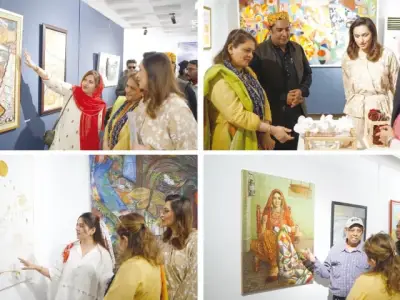
Art, literature, music, and entertainment serve as potent tools of cultural diplomacy. Through films, books, cultural showcases, and performances, nations can convey their values and traditions to the world. For instance, South Korean dramas and music have gained worldwide popularity, helping to enhance South Korea's international reputation. Likewise, many countries leverage cultural initiatives to shape positive impressions and nurture understanding. Sports also contribute significantly to cultural diplomacy. International sporting events bring together people from diverse backgrounds and encourage cooperation despite political differences. Such events demonstrate that healthy competition and mutual respect can coexist, creating opportunities for dialogue and friendship.
Cultural Diplomacy and Soft Power
In the field of International Relations, cultural diplomacy is often associated with the concept of soft power. Unlike military force or economic pressure, soft power influences others through attraction and admiration. A country that is respected for its culture, educational opportunities, and values can strengthen its global influence without using coercion. Therefore, cultural diplomacy has become an increasingly important component of modern foreign policy.
Addressing Criticisms
Critics argue that cultural diplomacy alone cannot resolve deep political conflicts. While this is true, it can create an environment of trust that supports political dialogue and peaceful solutions. Rather than replacing traditional diplomacy, cultural diplomacy complements it by strengthening connections between ordinary people.

Pakistan's Potential
Pakistan possesses immense potential in this area. Its rich cultural heritage, diverse traditions, literature, music, cuisine, and hospitality can serve as valuable tools for engaging with the international community. By promoting cultural exchanges, educational programs, tourism, and artistic collaborations, Pakistan can strengthen its global image and contribute to international understanding.
Conclusion
In summary, cultural diplomacy has become one of the most potent and non-violent means in modern global relations. It allows countries to engage through common human experiences rather than just political agendas. Although governments may have differing viewpoints on numerous matters, culture possesses a distinctive ability to unite individuals. In a world that is becoming more divided, cultural diplomacy provides hope for enhanced understanding, cooperation, and enduring peace. In fact, culture can frequently create connections where politics falls short.