Pakistan Launches Comprehensive Education System Overhaul with Focus on Technology and Inclusion
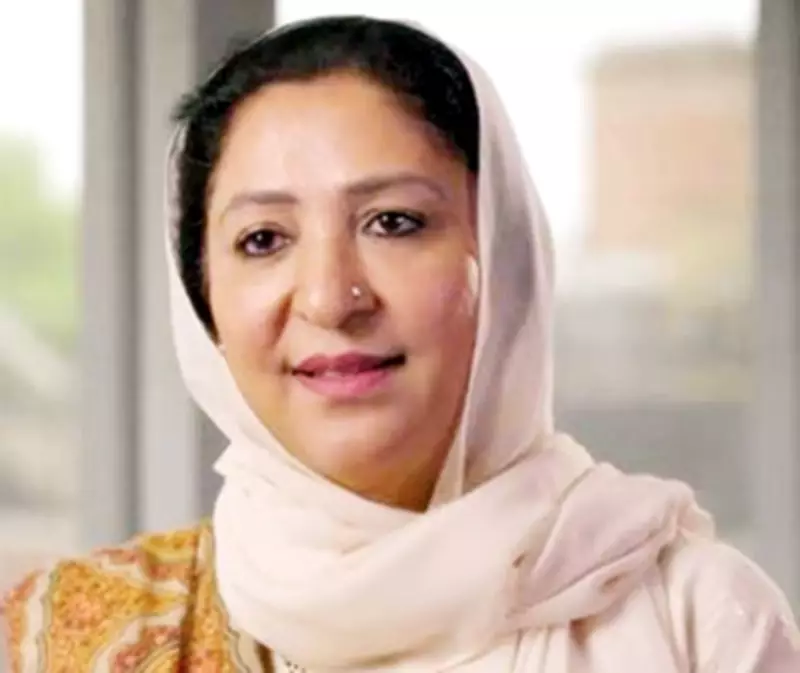
ISLAMABAD - In a landmark announcement, Minister of State for Federal Education and Professional Training Wajiha Qamar has declared that the government is implementing deep, systemwide reforms aimed at transforming Pakistan's education sector into a unified, transparent, and accountable entity. During an exclusive interview on Thursday, January 29, 2026, the minister detailed an ambitious agenda that prioritizes digital transformation, institutional consolidation, and targeted interventions to address critical challenges.
Addressing Education as a National Emergency
Minister Qamar emphasized that education reform represents a national emergency, with the government moving beyond short-term fixes to implement durable structural changes. The comprehensive strategy is designed to tackle learning poverty, enhance employability, and ultimately position public education as competitive with—and potentially superior to—private systems.
Key Reform Initiatives Announced
The ministry's reform agenda encompasses multiple critical areas:

- Digital Transformation: Complete shift to e-office systems with digitized financial management, procurement, and operational processes
- Institutional Alignment: Bringing scattered educational institutions under a single, unified framework
- Out-of-School Children: Intensified efforts to reduce dropout rates, with particular focus on girls who constitute over 50% of approximately one million out-of-school children
- Curriculum Innovation: Introduction of artificial intelligence as non-credit exposure at primary levels and as an elective subject from grades 9 to 12
- Student Wellbeing: Pilot programs for mental health support including career counseling and psychological services
- Nutrition Programs: Expansion of school nutrition initiatives with hot meal programs in approximately 100 primary schools
- Infrastructure Upgrades: Modernization of facilities with STEM and STEAM labs, IT infrastructure, and interactive learning spaces
Higher Education Transformation
At the higher education level, the Higher Education Commission is undergoing complete transformation through the Maktab program, supported by the World Bank. This eight-component project focuses on three pillars:
- Administrative reform through SAP-based ERP systems
- Financial management streamlining
- Human resource process optimization
The entire student lifecycle—from admission to graduation—is being managed through integrated digital platforms, with Learning Management Systems expanded to support blended and online education.
Governance and Transparency Measures
The ministry has implemented significant governance improvements:
- Digitization of BS Admissions in Federal Directorate of Education schools
- Online processing of applications, selection, and administrative procedures
- Complaint resolution through the Prime Minister's Delivery Unit
- Digital management of examiner selection, paper checking, and assessment processes
Curriculum and Pedagogical Reforms
Beyond AI integration, the ministry is introducing:
- New skill-based curricula including allied health sciences and vocational pathways
- Curriculum reforms emphasizing critical thinking, tolerance, and inclusivity
- Life skills education covering financial literacy and responsible citizenship
- Elimination of corporal punishment and enhanced teacher training programs
Addressing Social and Cultural Barriers
Minister Qamar acknowledged that out-of-school challenges extend beyond financial constraints to include social and cultural factors. The ministry is implementing targeted policies and awareness campaigns addressing gender-specific barriers to education access and retention.

Long-Term Vision for Education Excellence
In her concluding remarks, Minister Qamar emphasized that education reform represents a long-term process aimed at building systems that are transparent, accountable, inclusive, and aligned with future global needs. The comprehensive approach seeks to embed accountability structurally rather than relying on individual discretion, with the ultimate goal of creating an education ecosystem that serves all Pakistani students effectively.