The Broken Gate to Pakistan's Future
Education represents one of the most fundamental rights that should unlock opportunities for a better life, yet in Pakistan, this doorway often remains firmly shut for countless young minds. Despite its transformative potential, the current system consistently fails to equip students with practical skills needed for real-world challenges.
The Tyranny of Rote Learning
Pakistan's educational institutions continue to emphasize textbook memorization above all else, creating a generation that can recall information but struggles with practical application. This outdated approach actively discourages the development of critical thinking, creativity, and genuine understanding that modern economies demand.
Every year, thousands of students graduate from schools and universities lacking the essential competencies required to thrive in professional environments and contribute meaningfully to society. The focus remains squarely on passing examinations rather than cultivating capable citizens who can solve complex problems.

Systemic Failures Holding Back Potential
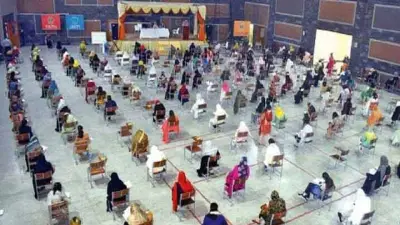
The situation becomes even more heartbreaking when considering the brilliant young minds being systematically held back by multiple structural deficiencies. Students across Pakistan contend with inadequate facilities, obsolete teaching methodologies, and frequently demotivated educators who themselves often lack proper training and support.
Education should never function as a privilege reserved for the fortunate few. Every Pakistani child deserves an equitable opportunity to learn, grow, and dream regardless of their socioeconomic background or geographic location.
A Blueprint for Educational Transformation
The path forward requires fundamental restructuring of our education system with clear purpose and determination. This transformation must prioritize comprehensive teacher training programs that equip educators with modern pedagogical skills and reignite their passion for teaching.
Classrooms need modernization both in physical infrastructure and instructional approaches. The shift must move decisively from rote memorization to inquiry-based education that fosters curiosity, analytical thinking, and creative problem-solving.
True learning extends far beyond examination success—it should prepare citizens capable of shaping a brighter future for themselves and for Pakistan. The urgency of this educational reform cannot be overstated, as the nation's progress directly depends on unlocking the potential currently being wasted within outdated classrooms.