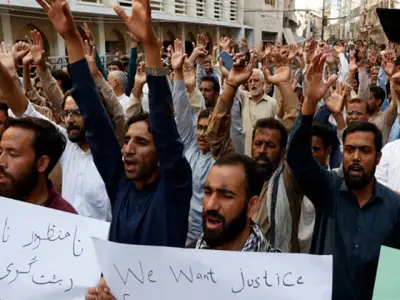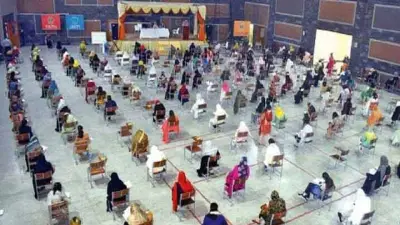
Teachers and educational leaders in the remote district of Shangla have once again raised their collective voice, issuing a fresh and urgent demand for the establishment of a separate Board of Intermediate and Secondary Education (BISE) for their region. This renewed call highlights the persistent administrative and logistical challenges faced by students and educators, who are currently affiliated with the Board of Intermediate and Secondary Education, Malakand.
A Long-Standing Struggle for Educational Autonomy
The demand is not new. For years, stakeholders in Shangla have argued that the geographical distance and difficult terrain create significant obstacles in their dealings with the BISE Malakand headquarters. The most pressing issues cited include protracted delays in the announcement of examination results, complications in the submission of examination forms and related documents, and general administrative inefficiencies that disproportionately affect this mountainous district.
Local educators emphasize that these systemic problems are not merely inconveniences but have a direct and detrimental impact on the academic careers and future opportunities of thousands of students. The need to travel long distances for routine board matters incurs both financial costs and loss of crucial study time, putting Shangla's youth at a disadvantage compared to students in more accessible regions.

The Core Demands and Proposed Solutions
The central plea from Shangla's education community is clear: the government of Khyber Pakhtunkhwa must prioritize the creation of an independent education board for Shangla. They argue that a locally administered board would be more responsive and efficient, drastically reducing the time and resources currently wasted on navigating a centralized system ill-suited to the district's unique topography.
Proponents of the separate board believe it would lead to:
- Faster processing of results and documents.
- Improved administrative oversight and accountability.
- Enhanced focus on local educational needs and standards.
- Greater convenience and reduced costs for students, teachers, and parents.
This move is seen as a critical step towards decentralizing educational administration and empowering remote districts to manage their academic affairs with greater autonomy and effectiveness.
Awaiting Government Action and the Path Forward
Despite repeated appeals, the demand remains unmet, leading to growing frustration among the district's academic circles. The recent renewal of the call serves as a reminder to the provincial authorities that this is a live and unresolved issue affecting a significant portion of the population in Khyber Pakhtunkhwa.
The educators' campaign underscores a broader national conversation about equitable access to educational resources and efficient governance. The situation in Shangla acts as a case study for other remote areas in Pakistan that face similar bureaucratic hurdles. The ball is now in the court of the Khyber Pakhtunkhwa government and the relevant education ministry to address these legitimate concerns. Concrete action towards establishing a separate board would be widely hailed as a major victory for educational reform and regional development in northern Pakistan.
As the debate continues, the students, teachers, and parents of Shangla district wait in hope for a decision that could transform their educational landscape and open new doors of opportunity for future generations.