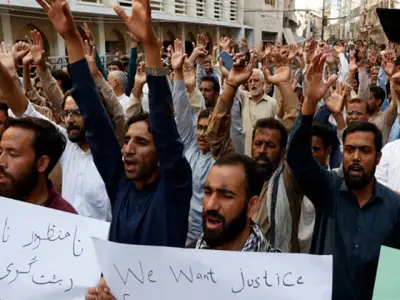
Pakistan is grappling with a severe employment crisis that has left millions of educated young people without work, despite their qualifications and degrees. Recent statistics reveal an alarming situation where the country's investment in education is failing to translate into meaningful employment opportunities.
The Scale of Educated Unemployment
According to recent data, over 1.5 million educated individuals are currently unemployed across Pakistan. This staggering number represents a significant portion of the country's youth population who have completed various levels of higher education but remain without stable employment. The situation has reached critical proportions, with graduates from universities and colleges struggling to find work that matches their qualifications.
The problem spans across multiple disciplines and educational backgrounds. From engineering and computer science graduates to those with degrees in business administration and social sciences, thousands of young professionals enter the job market each year only to face disappointment and frustration. The mismatch between educational output and market demands has created a growing pool of unemployed talent.

Root Causes of the Crisis
Several factors contribute to this worsening situation. The rapid expansion of higher education institutions without corresponding growth in job opportunities has created an imbalance in the labor market. Additionally, there's a significant gap between the skills taught in educational institutions and those required by employers in the modern workforce.
Economic challenges and slow industrial growth have further exacerbated the problem. With limited new positions being created in both public and private sectors, the competition for available jobs has become increasingly fierce. Many graduates find themselves overqualified for entry-level positions yet underqualified for specialized roles due to inadequate practical training.
Regional Disparities and Social Impact
The unemployment crisis affects different regions of Pakistan unevenly. Urban centers see concentrated numbers of unemployed graduates, while rural areas face their own challenges with educated youth migrating to cities in search of work. This migration pattern puts additional pressure on urban infrastructure and services while depleting rural areas of their educated population.
The social consequences of educated unemployment are profound. Delayed marriages, family tensions, and mental health issues have become common among unemployed graduates. Many experience frustration and disillusionment after years of investment in education, leading to brain drain as talented individuals seek opportunities abroad.
Potential Solutions and Way Forward
Addressing this crisis requires a multi-faceted approach. Educational reforms that align curriculum with market needs, enhanced vocational training programs, and government initiatives to stimulate job creation are essential steps. The private sector must also play a more active role in creating entry-level positions and internship opportunities for fresh graduates.
Entrepreneurship development and support for small businesses could provide alternative pathways for educated youth. By fostering an environment conducive to innovation and enterprise, Pakistan can transform its educated unemployed into job creators rather than job seekers. International partnerships and foreign investment in emerging sectors could also generate new employment opportunities.
The situation demands immediate attention from policymakers, educational institutions, and industry leaders. Without coordinated efforts to bridge the gap between education and employment, Pakistan risks wasting its most valuable resource—the potential of its educated youth.