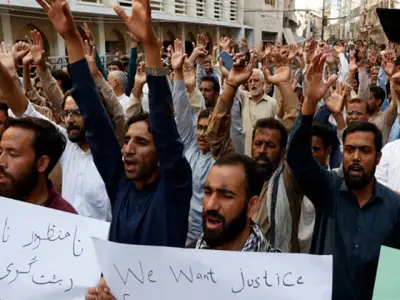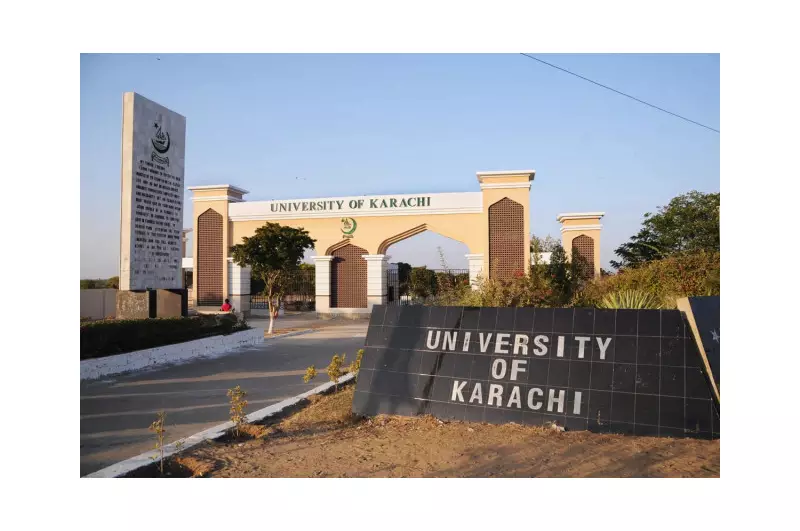
In a landmark decision, the Public Accounts Committee (PAC) has mandated the University of Karachi (KU) to abolish its long-standing admission policy and transition to a transparent, open-merit system. This directive aims to ensure equal opportunities for all students from Sindh.
End of an Era: KSP Admission Policy Scrapped
The PAC, during its review of KU's audit paragraphs for the years 2021-2023, discovered that the university was still adhering to the Karachi-Sindh-Pakistan (KSP) admissions policy, a system instituted back in 1990. The meeting, which was chaired by PAC Chairman Nisar Khuhro, included key figures such as Secretary Sindh Higher Education Commission Moeen Siddiqui, KU's acting vice chancellor Prof Dr Haris Shoaib, and Registrar Dr Imran Siddiqui.
When questioned about the current admission criteria, Registrar Dr Imran Ahmed confirmed that KU, with the approval of its syndicate and academic council, had been following the KSP formula since 1990, with only "one or two faculties" currently using an open-merit system.

Challenging the rationale behind separating Karachi from the rest of Sindh, Chairman Khuhro pointed out that other institutions, like NED University, have successfully operated on test-based merit for years. "Karachi is part of Sindh, and students holding Sindh domicile have the right to admission based purely on merit," Khuhro asserted. He then issued a direct order for KU to review the KSP policy and ensure that all future admissions are conducted through an open-merit entry-test system. The PAC has demanded a progress report on this matter at its next meeting.
Non-Functional Benazir Bhutto Chair Draws Ire
The committee also expressed severe dissatisfaction regarding the Shaheed Benazir Bhutto Chair at KU, which remains non-operational despite an expenditure of Rs422 million. Khuhro questioned the university administration on why the chair, which was handed over 13 years ago, has still not been made functional.
The KU administration cited a need for additional funds, informing the committee that a PC-I had been submitted for approval. Unwilling to accept further delays, the PAC instructed the university to operationalize the chair immediately.
Government Printing Presses Bleed Millions
The PAC session also shed light on massive financial losses sustained by government printing presses. It was revealed that the Sindh Government Printing Press at Governor House incurred a staggering loss of Rs281 million during the 2022-2023 fiscal year.
The Director General Audit reported that the press spent Rs395 million against an allocated budget of only Rs114 million over two years and has not maintained annual accounts since 1970. The primary reason for these losses is that various provincial departments are outsourcing their printing work to private entities, despite having dedicated budgets for this purpose.
Officials clarified that the press is responsible for printing government budget books, gazette notifications, and other official material. However, departments frequently bypass the facility without obtaining the mandatory No Objection Certificates (NOCs). Press management noted that only the Sindh Rangers and the provincial Ombudsman had sought the required NOCs. They emphasized that the press has sufficient manpower and a centralized system to handle all departmental printing needs efficiently.
It was further disclosed that the Sindh Government Printing Press in Khairpur faced losses of Rs40 million. To curb these recurring losses, Chairman Khuhro directed the Chief Secretary to issue orders mandating all government departments to route their official printing exclusively through the government presses. This move is seen as essential to revive revenue and ensure financial accountability.