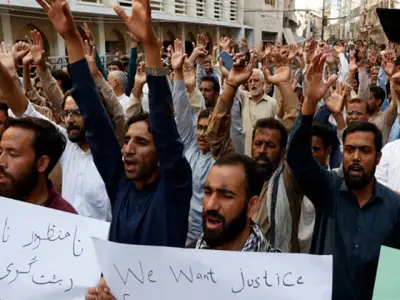
A shocking incident of alleged harassment at a sub-campus of the University of Agriculture Faisalabad (UAF) has ignited nationwide outrage and calls for systemic reform. The case involves a brave female student who exposed her class teacher's unethical behavior after a simple request for academic consideration turned into a traumatic ordeal.
The Disturbing Incident at UAF Burewala Campus
The event unfolded at the University of Agriculture Faisalabad’s Burewala sub-campus. According to a video that later circulated on social media, the student had approached her class teacher to request two grace marks, a common and legitimate appeal made by many students. Instead of engaging in a professional academic discussion, the teacher is seen making intolerable and inappropriate advances towards her. The student had the presence of mind to secretly record the entire interaction, which later became crucial evidence.
This video has exposed a deeply troubling abuse of power, where a figure of authority allegedly attempted to exploit a student's academic vulnerability. What should have been a routine conversation about grades transformed into a humiliating experience, highlighting the risks students can face behind closed doors.

Systemic Failures and the Call for Accountability
The incident has sparked a critical debate on two major fronts: institutional responsibility and the flawed marking system. Firstly, there is a unanimous demand for the accused teacher to face strict legal punishment. Universities are entrusted with the safety of their students and must act decisively to prevent the misuse of authority. This case underscores the urgent need for robust anti-harassment mechanisms and immediate action to create truly safe institutions.
Secondly, the controversy has put a spotlight on the opaque marking system prevalent in many universities. Critics argue that when class teachers have sole, discretionary control over students' grades, it creates a power dynamic ripe for exploitation. As suggested in the wake of this scandal, Pakistan should adopt practices from more transparent education systems where:
- Examination papers are evaluated by independent third parties.
- Marks are kept confidential to prevent manipulation.
- Systems are designed to minimize direct, unmonitored pressure on students.
Such reforms would protect both students and educators, fostering a safer and more transparent academic environment.
Standing with Survivors, Combating Victim-Blaming
In a disappointing but predictable turn, some reactions to the incident have focused on blaming the victim, questioning why girls attend co-educational institutions. This regressive mindset is identified as part of the core problem that silences survivors and perpetuates a culture of impunity.
The courageous act of the UAF Burewala student in speaking out should be met with support, not skepticism. Public sentiment, as voiced by commentators like Zeeshan Soomro from Larkana, emphasizes that society must stand with those who raise their voices. Only by demanding exemplary punishment for predators and continuously improving institutional safeguards can campuses become places where all students, especially young women, feel confident that they will be protected and heard.