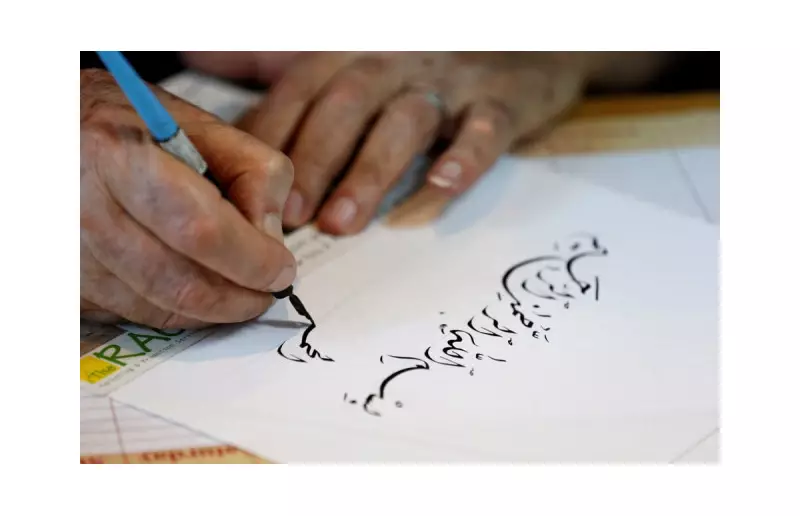
The federal government of Pakistan has unveiled a significant new initiative aimed at reviving the traditional art of elegant writing. A plan is now in motion to introduce mandatory handwriting and calligraphy training in schools across the country. This move seeks to address the declining quality of students' handwriting and reconnect the younger generation with a cherished cultural heritage.
The Core of the New Educational Initiative
According to official sources, the proposal has been formally submitted by the Ministry of Federal Education and Professional Training. The plan involves integrating structured calligraphy and handwriting classes into the national curriculum. The objective is clear: to systematically improve the penmanship of students from a young age and foster an appreciation for the art of beautiful writing.
The initiative is not merely an extracurricular activity but is envisioned as a core component of foundational learning. Officials believe that good handwriting is a fundamental skill that impacts academic performance, cognitive development, and even discipline. By making it a formal part of schooling, the government aims to ensure that every child receives proper training in this essential skill.

Implementation and Expected Impact
The proposed training program is designed to be comprehensive. It will likely start at the primary school level, where motor skills are developing. Students will be taught the basics of clear, legible handwriting before progressing to more artistic forms of calligraphy, potentially including traditional Nastaliq and Naskh scripts prevalent in Urdu and Arabic.
This policy shift comes in response to growing concerns from educators and parents about the negative effects of excessive digital device usage on children's writing abilities. The over-reliance on keyboards and touchscreens has led to a noticeable deterioration in manual writing skills. This program is a direct intervention to counter that trend and balance digital literacy with traditional skills.
Furthermore, the initiative is seen as a way to preserve and promote Pakistan's rich calligraphic traditions, which hold deep cultural and religious significance. By teaching calligraphy in schools, the government hopes to nurture future artists and keep this ancient art form alive for generations to come.
Next Steps and Future Outlook
The proposal is currently under active consideration by the relevant authorities. The next steps involve formal approvals, curriculum development, and the crucial phase of training teachers who will be responsible for delivering this new subject. Resource allocation for materials like special pens, ink, and practice books will also be a key part of the planning process.
If implemented successfully, Pakistan could see a generation of students with not only better academic notes but also a stronger connection to their artistic heritage. This initiative represents a meaningful step in holistic education reform, valuing both modern knowledge and timeless skills. The move has been broadly welcomed by cultural advocates and educationists who see it as a positive investment in the nation's human and cultural capital.