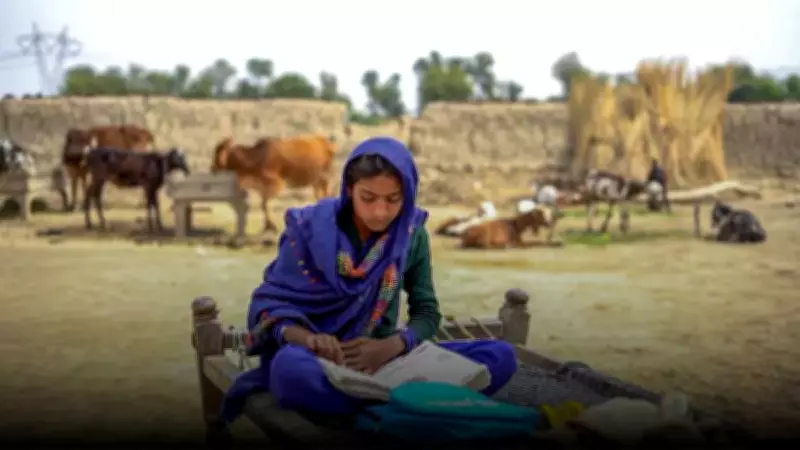
Pakistan Celebrates Education Gains, Yet Millions of Girls Remain Out of School
Pakistan has recently announced notable achievements in its education sector, with government reports highlighting substantial increases in overall enrollment rates and improvements in literacy levels across various regions. These gains are attributed to targeted policy initiatives and increased public investment in educational infrastructure, signaling a positive shift towards addressing long-standing challenges in the country's schooling system.
Progress in Enrollment and Literacy
Official data indicates that primary school enrollment has risen by approximately 15% over the past five years, with a particular emphasis on expanding access in rural and underserved urban areas. Literacy rates have also shown a steady upward trend, climbing from 58% to an estimated 62% nationally, driven by adult education programs and community-based learning initiatives. These developments are being celebrated as milestones in Pakistan's ongoing efforts to meet international education targets and foster socio-economic development.
Persistent Gender Disparities
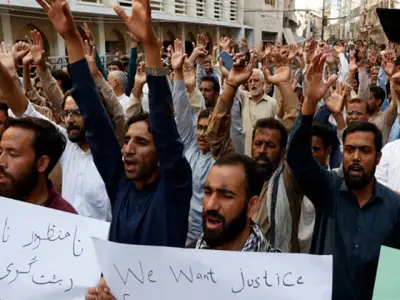
Despite these advancements, a stark gender gap remains a critical issue. Recent estimates reveal that over 12 million girls in Pakistan are currently out of school, with factors such as cultural norms, economic constraints, and security concerns disproportionately affecting female attendance. In provinces like Balochistan and Khyber Pakhtunkhwa, the disparity is even more pronounced, where girls' enrollment rates lag significantly behind those of boys, often by margins exceeding 20%.

- Cultural and societal barriers that prioritize boys' schooling over girls'.
- Economic hardships forcing families to keep girls at home for domestic work.
- Inadequate school facilities, including a lack of separate toilets and safe transportation.
- Early marriage practices that cut short educational opportunities for many girls.
Government and NGO Responses
In response to these challenges, the Pakistani government has launched several programs aimed at boosting girls' education, such as conditional cash transfers and the construction of gender-segregated schools in conservative regions. Non-governmental organizations are also playing a pivotal role, implementing community outreach campaigns and providing scholarships to encourage female enrollment. However, experts caution that without addressing underlying socio-economic issues, these measures may only yield limited results.
Future Outlook and Recommendations
Looking ahead, stakeholders emphasize the need for a multi-faceted approach to bridge the gender gap in education. Recommendations include increasing budget allocations specifically for girls' schooling, enhancing teacher training on gender-sensitive pedagogy, and leveraging technology to deliver remote learning options in inaccessible areas. While Pakistan's education gains are commendable, ensuring equitable access for all children, particularly girls, remains an urgent priority to achieve sustainable development and social progress.