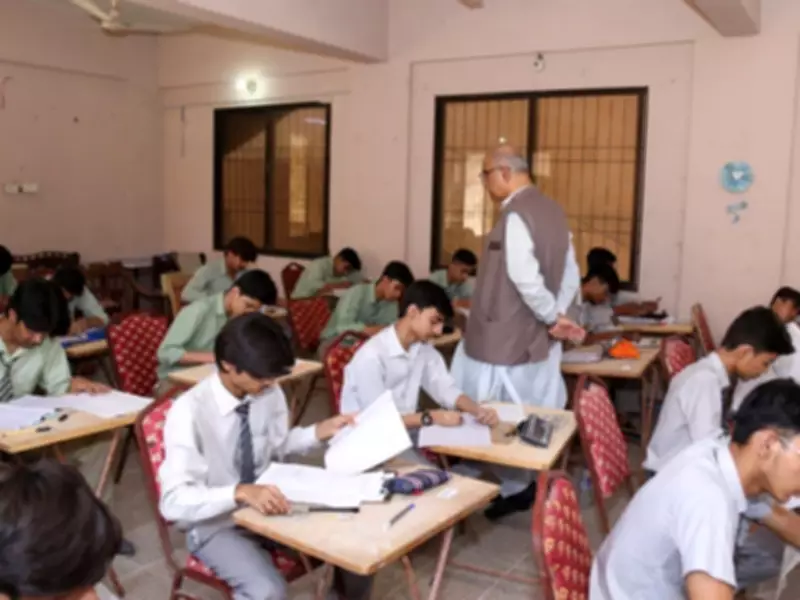
Tuition Centers Monopolize Education System, Raising Alarms
In a concerning trend, tuition centers are rapidly monopolizing Pakistan's education system, sparking widespread debate among educators, parents, and policymakers. These private coaching institutions, once seen as supplementary aids, have now become central to academic success, often overshadowing formal schooling. This shift is raising serious questions about the quality, accessibility, and equity of education across the country.
The Growing Dominance of Private Coaching
Across urban and rural areas, tuition centers have proliferated, offering specialized coaching for exams, competitive tests, and school curricula. Many students now rely heavily on these centers, attending sessions after regular school hours or even skipping school altogether to focus on tuition. This reliance has created a parallel education system where success is increasingly tied to private coaching rather than classroom learning.
Experts point to several factors driving this trend:

- Perceived inadequacies in public and private school teaching methods.
- High-stakes exams that prioritize rote memorization over critical thinking.
- Parental pressure to secure top grades and admissions to prestigious institutions.
Impact on Education Quality and Equity
The monopolization by tuition centers is having a profound impact on the overall quality of education. Formal schools are often undermined, as teachers may assume students will cover topics in tuition, leading to a decline in classroom rigor. Additionally, this system favors wealthier families who can afford expensive coaching, exacerbating educational inequalities.
Financial burdens on middle and low-income households are significant, with many spending a large portion of their income on tuition fees. This creates a cycle where access to quality education becomes increasingly dependent on economic status, marginalizing underprivileged students.
Calls for Systemic Reforms
Education advocates are urging immediate reforms to address this issue. Suggestions include:
- Strengthening teacher training and curriculum development in formal schools.
- Implementing regulations to ensure tuition centers complement rather than replace schooling.
- Promoting alternative learning models that reduce reliance on private coaching.
Without intervention, the dominance of tuition centers risks eroding the foundational principles of equitable and quality education in Pakistan. Stakeholders emphasize the need for a balanced approach that values both formal education and supplementary support, ensuring all students have fair opportunities to succeed.