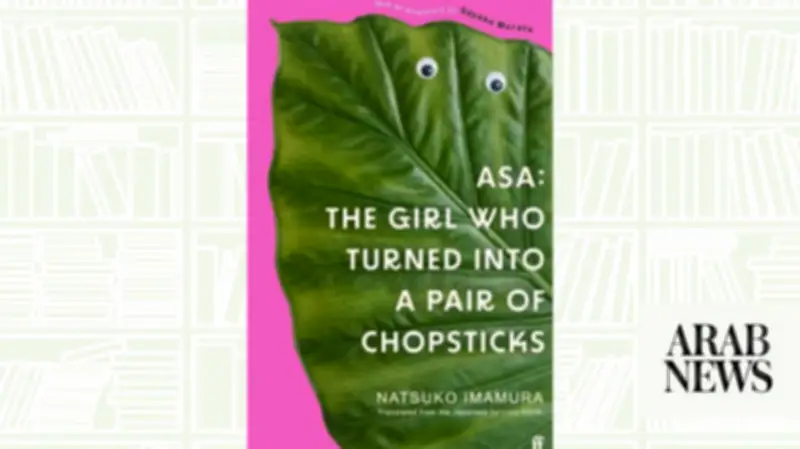
Natsuko Imamura's "Asa: The Girl Who Turned into a Pair of Chopsticks," translated by Lucy North and published by Faber & Faber in 2024, is a collection of three strange stories that dissolve the boundary between reality and fantasy. The bizarre narratives illuminate the inner lives of female protagonists, using surreal premises to explore universal human experiences.
Three Unforgettable Stories
The collection begins with seemingly impossible ideas: a girl devastated that no one will eat the food she prepares, another who longs to be hit just once, and a young woman who gradually assumes the role of a family's pet. Imamura follows each premise with such emotional conviction that the absurd begins to feel plausible.
Across the three thought-provoking stories, the author examines womanhood, transformation, violence, alienation, and the universal desire to be seen and understood. Childhood innocence and youthful naivety are rendered as exposed wounds, leaving her characters vulnerable to the cruelties of the world around them.

The Titular Story: A Metaphor for Rejection
The titular story was this reviewer's favorite. Asa's growing confusion as she realizes that people refuse to eat anything she offers becomes an unexpectedly poignant metaphor for rejection and the longing to connect with others. The story begins with a relatable scene — Asa offers a biscuit to her classmate — but warps into a whole other reality with an ending that feels solemn and monumental.
A Dreamlike Finale
The final story, "A Night to Remember," centered on a girl named Happy, is the collection's most elusive. Its shifting logic and dreamlike structure can occasionally make it difficult to follow, asking readers to surrender conventional expectations of narrative in favor of atmosphere and emotion. Those willing to suspend disbelief are more likely to enjoy the strange escape the collection offers.
By filtering everyday anxieties through the surreal, Imamura demonstrates why contemporary Japanese fiction continues to resonate with readers. The collection dissolves boundaries between reality and fantasy, using the bizarre as a way of illuminating the inner lives of its female protagonists.