Katy Perry Faces Intense Online Criticism Following Brief Response to Distressed Fan
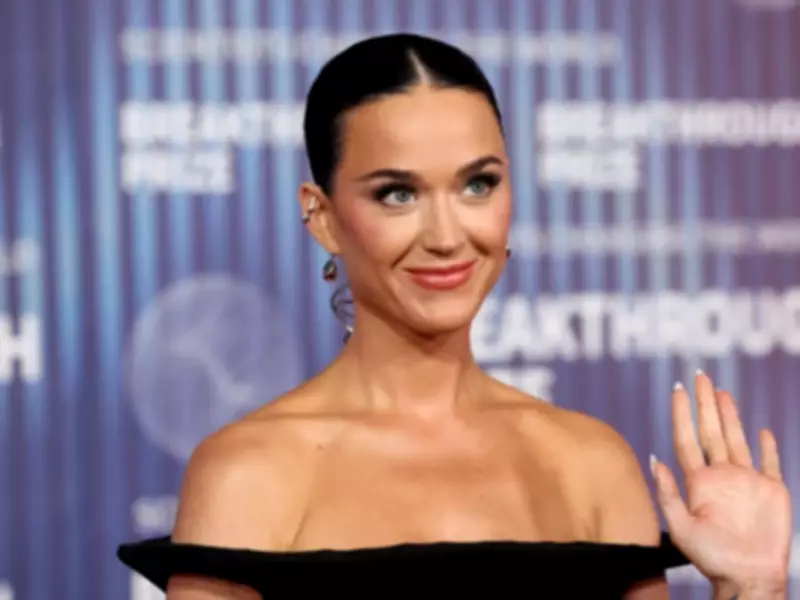
Pop superstar Katy Perry has found herself at the center of a heated social media controversy after her brief reply to a fan experiencing severe financial and emotional distress went viral, sparking widespread debate about celebrity empathy and the escalating costs of live entertainment in today's economy.
The Viral Exchange That Ignited the Firestorm
The incident began when a dedicated fan took to the social media platform X to express profound personal struggles, revealing they were considering selling their ticket to one of Perry's upcoming concerts due to overwhelming financial pressure. The fan's emotionally charged message quickly captured public attention as it spread across digital platforms, highlighting the intersection of mental health challenges and economic hardship many individuals face during the ongoing cost of living crisis.
In the now widely circulated post, the fan wrote with heartbreaking candor: "I so badly don’t wanna be here anymore. I’m not cut out for this world. I cannot afford to live at this rate, and I’m so close to selling my Katy ticket." This raw admission not only revealed personal anguish but also underscored the financial realities confronting music enthusiasts as ticket prices for major tours continue to soar.

Perry's Controversial Response and the Immediate Backlash
Perry responded publicly beneath the fan's vulnerable message with a concise reply that would become the focal point of intense scrutiny: "But I am looking forward to seeing you!" The singer's comment spread rapidly across social networks, with many critics arguing the response felt tone deaf and insensitive given the fan's explicit discussion of financial instability and emotional distress.
Detractors suggested the global celebrity could have offered more substantial words of encouragement, practical resources, or even direct assistance instead of what they perceived as a superficial remark focused on her own concert. The criticism intensified as screenshots of the interaction circulated through Reddit communities and pop culture forums, where thousands of users dissected every aspect of the exchange.
Broader Conversations About Artist-Fan Dynamics and Economic Realities
The viral moment quickly evolved into a larger discussion about the complex relationship between artists and their audiences in the digital age, particularly regarding expectations of emotional support and financial awareness. Simultaneously, the controversy revived existing criticisms surrounding the skyrocketing prices of live events and the growing pressure on fans to navigate expensive primary and resale ticket markets.
For artists like Perry, whose performances are part of massive international productions such as The Lifetimes Tour, high demand and aggressive resale practices can drive costs hundreds of dollars beyond original listings, placing significant strain on fans' budgets. This economic context added fuel to the debate about whether celebrities should demonstrate greater sensitivity to their audience's financial realities.
Defenders and the Fan's Subsequent Reaction
Amid the backlash, some supporters defended Perry, pointing out that public figures face impossible expectations online and cannot realistically provide personalized help to every fan who shares hardship publicly. They argued that celebrities receive countless similar messages daily and that Perry's response, while brief, maintained a positive and encouraging tone.
Interestingly, the fan at the center of the controversy later responded positively to Perry's comment, replying with affection and indicating they still appreciated the singer's interaction despite the initial distress. This development added another layer to the complex narrative, suggesting that personal interpretations of such exchanges can vary significantly.
The entire episode serves as a powerful reminder of how quickly digital interactions can escalate into cultural conversations, particularly when they touch on sensitive topics like mental health, financial inequality, and the evolving responsibilities of public figures in an increasingly connected world.