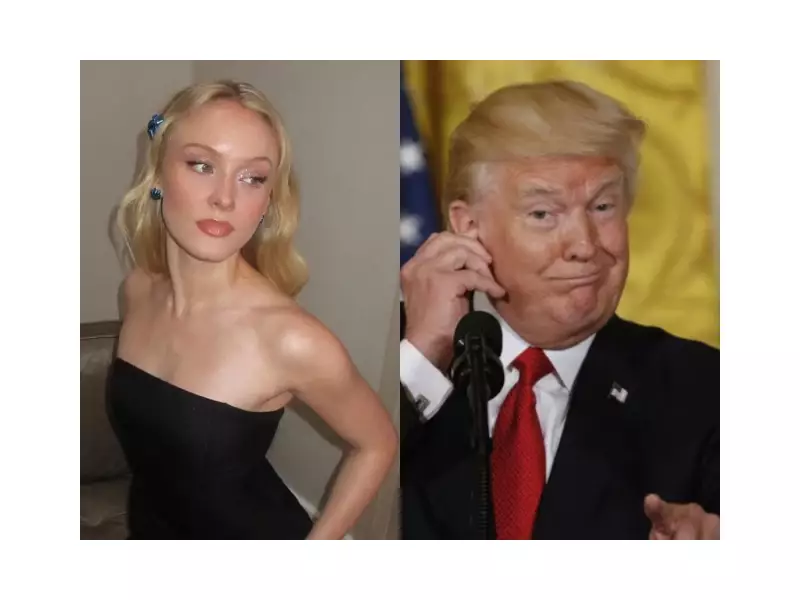
The White House has ignited a social media controversy by seemingly mocking Swedish pop star Zara Larsson on the popular platform TikTok. The incident occurred after the singer publicly criticized U.S. Immigration and Customs Enforcement (ICE).
The Provocative TikTok Post
In a move that many interpreted as a direct clapback, the official White House TikTok account posted a video that featured Zara Larsson's hit song 'Lush Life'. The video itself showed a compilation of positive moments, but the choice of soundtrack was viewed as a pointed response. This action came shortly after Larsson used her own substantial social media platform to express strong disapproval of ICE's policies and actions.
The White House's decision to utilize the artist's music in this context was immediately noted by online observers and fans. It raised immediate questions about the appropriateness of a government entity using a performer's creative work to seemingly counter her political statements. The platform TikTok, known for its young demographic, became an unlikely battleground for this exchange between pop culture and political messaging.

Background of the Dispute
The friction began when Zara Larsson, a vocal advocate on social issues, made posts targeting U.S. Immigration and Customs Enforcement. Her criticism focused on the agency's enforcement methods and treatment of migrants. As a global figure with millions of followers, her comments garnered significant attention and amplified the ongoing public debate surrounding immigration policy in the United States.
The White House's response, delivered not through an official statement but via a curated video on a social media app, marked a departure from traditional diplomatic or press communications. It highlighted the evolving nature of how governmental bodies engage with critics and manage public perception in the digital age, where a trending sound can be as powerful as a press release.
Reactions and Broader Implications
The TikTok video quickly sparked reactions across social media platforms. Supporters of the administration saw it as a clever and modern way to deflect criticism, while detractors and many of Larsson's fans condemned it as unprofessional and petty behavior from the highest office. Digital ethics experts questioned whether using an artist's copyrighted music for political messaging was an ethical use of government resources.
This incident underscores the blurred lines between official state communication and the informal, often glib, nature of social media engagement. It sets a precedent for how future administrations might interact with celebrity critics. Furthermore, it brings into focus the power dynamics at play when a vast governmental institution responds to an individual artist, leveraging her own art in the process.
The story continues to develop as observers watch for any further response from Zara Larsson or an official explanation from the White House communications team regarding the intent behind the now-viral TikTok post.