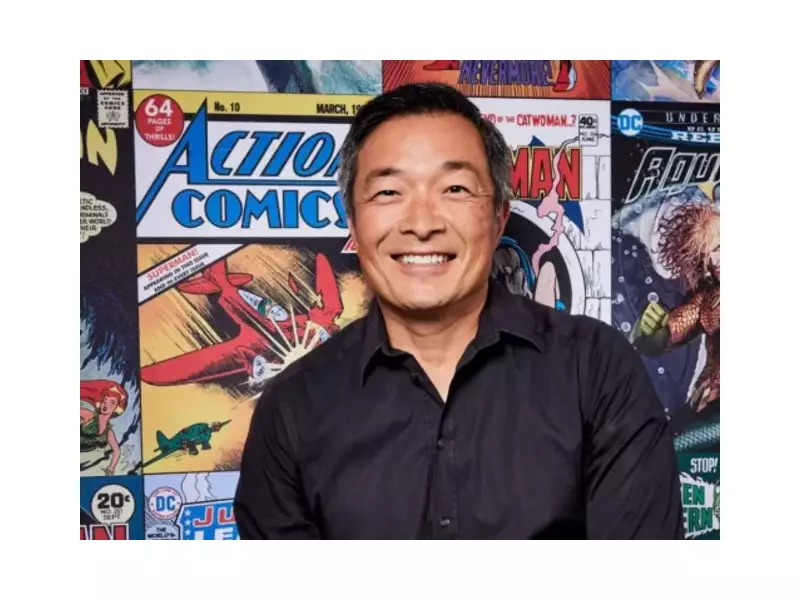
In a revealing interview with Nikkei XTrend published on January 26, DC Comics President and Chief Creative Officer Jim Lee has openly acknowledged that Japanese manga holds a significant competitive advantage over Western comics in the global marketplace. Lee pointed to broader storytelling diversity and superior cultural positioning as the primary factors driving manga's international success and sustained popularity.
Superhero Dominance Limits Western Comics' Reach
According to Lee, the overwhelming dominance of superhero narratives in American comics has substantially limited both creative expression and commercial potential. He explained that most U.S. comic sales and readership remain concentrated within this single genre, creating a narrow market focus that contrasts sharply with Japan's diverse publishing landscape.
Manga's Genre Diversity Creates Wider Appeal
Lee emphasized that Japanese manga is treated as mainstream literature covering an extensive range of themes and subjects beyond fantasy and action. This includes diverse genres such as:

- Sports and athletic competitions
- Culinary and cooking narratives
- Everyday life and slice-of-life stories
- Romantic relationships and drama
- Historical and educational content
This remarkable genre variety allows manga to appeal to readers across different age groups, genders, and interests, creating a much broader audience base than Western comics typically achieve.
Cultural and Narrative Differences in Storytelling
Lee described Japanese manga storytelling as "incredibly powerful" and noted that its success prompts serious reflection about what Western comics might be lacking. He stressed that manga's advantage extends far beyond visual style differences, pointing instead to fundamental variations in narrative sensibility and cultural approach.
"The manga market is larger than our industry," Lee stated frankly, adding that American publishers should view this success as an educational opportunity rather than direct competition. He suggested that understanding why certain stories resonate strongly in Japan but fail to gain traction in Western markets could provide valuable insights for future creative strategies in American comics.
Global Expansion and Government Support
Lee's comments arrive during a period of continued international growth for anime and manga popularity. Recent releases including Demon Slayer: Infinity Castle and Chainsaw Man – The Movie: Reze Arc have achieved record-breaking sales in the United States, demonstrating manga's expanding market penetration.
This expansion aligns strategically with the Japanese government's broader initiative to grow the country's entertainment exports to an estimated 20 trillion yen (approximately $130 billion USD) by 2033. As manga's global influence continues to strengthen, Lee indicated that discussions about what Western comics can adapt from Japanese storytelling traditions will likely remain ongoing and increasingly important.
Optimism and Future Directions
Despite acknowledging the current disparity between manga and Western comics, Lee expressed genuine optimism about manga's continued global growth. He stated that manga's achievements provide a valuable benchmark for the Western comics industry to strive toward, offering both inspiration and practical lessons for improvement.
As the entertainment landscape evolves, Lee's insights highlight the need for Western comics to expand beyond traditional superhero narratives and embrace greater storytelling diversity. The ongoing dialogue between Eastern and Western comic traditions promises to shape the future of global visual storytelling for years to come.