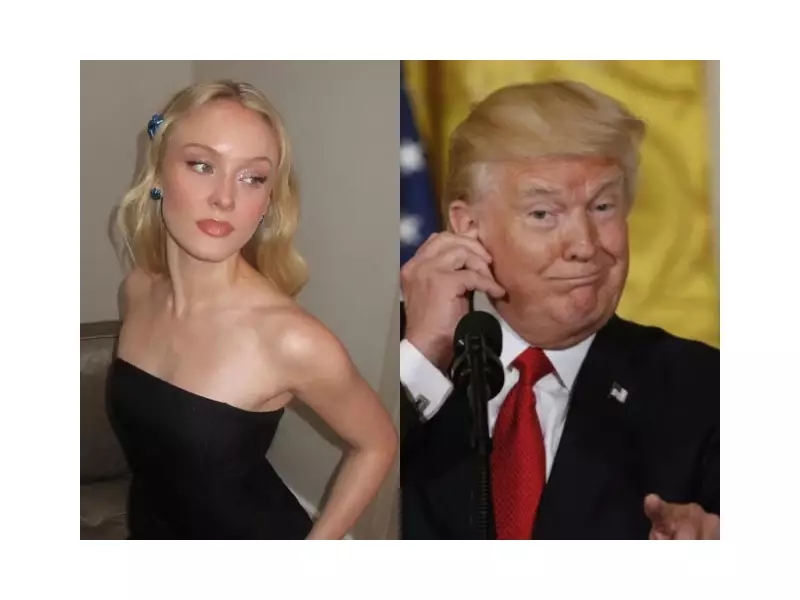
Swedish pop sensation Zara Larsson has launched a sharp public rebuke against the White House for using her chart-topping song without authorization. The controversy erupted after the official White House TikTok account featured her 2015 hit single, 'Lush Life,' in a promotional video.
The Unauthorized Use of a Hit Song
The incident occurred on a recent Tuesday when the White House's social media team posted a video on TikTok. The clip, which has since garnered significant attention, used Larsson's popular track 'Lush Life' as its background music. The song, known for its vibrant and carefree melody, provided an upbeat soundtrack to the administration's content.
However, the artist herself was not pleased. Taking to her own social media platform, Zara Larsson did not hold back. She explicitly stated that the White House did not request or obtain her permission to use the song. Her public response brought the issue of copyright and artist consent into the spotlight, questioning how such a high-profile institution could overlook standard licensing protocols.

Larsson's Firm Stance on Artist Rights
This is not the first time Zara Larsson has stood up for creative rights. The singer has a history of advocating for fair compensation and proper procedures in the music industry. Her reaction underscores a growing frustration among artists whose work is often used by large entities, including governments and corporations, without proper clearance or payment.
In her social media post, Larsson's tone was direct and unyielding. She highlighted the fundamental principle that her music is her intellectual property. The episode raises critical questions about the practices of even the most prestigious organizations when it comes to digital content creation. It serves as a reminder that copyright laws apply universally, regardless of the user's status or platform.
Broader Implications for Digital Content
The fallout from this event extends beyond a single TikTok video. It touches on the ongoing challenges in the digital landscape, where the ease of sharing and using content often outpaces the adherence to licensing agreements. For artists, unauthorized use represents a loss of control and potential revenue.
For the White House, the criticism presents a public relations dilemma, forcing its communications team to reconsider its content sourcing strategies. The situation also educates the public on the importance of music licensing, even for seemingly innocuous social media posts.
As of now, the White House has not issued a public statement in response to Larsson's claims. The video remains on the platform, continuing to draw comments and discussions about copyright, artist agency, and the responsibilities of influential accounts. This incident will likely prompt many organizations to audit their social media practices to avoid similar controversies.