In a significant legal development, attorneys representing actor and director Justin Baldoni appeared before a federal court on Thursday, formally requesting the dismissal of a lawsuit filed by actress Blake Lively. The lawsuit alleges instances of sexual harassment and retaliation during the production of the 2024 romantic drama film It Ends With Us.
Courtroom Arguments and Legal Strategies
The motion was presented to U.S. District Judge Lewis Liman, who presided over the hearing but has not yet issued a ruling on the matter. Jonathan Bach, the lead attorney for Baldoni, presented a detailed defense, arguing that the disputed conduct occurred specifically during the filming of intimate scenes. Bach contended that these incidents resulted from improvisation between the actors rather than constituting gender-based harassment.
Improvisation and Context in Acting
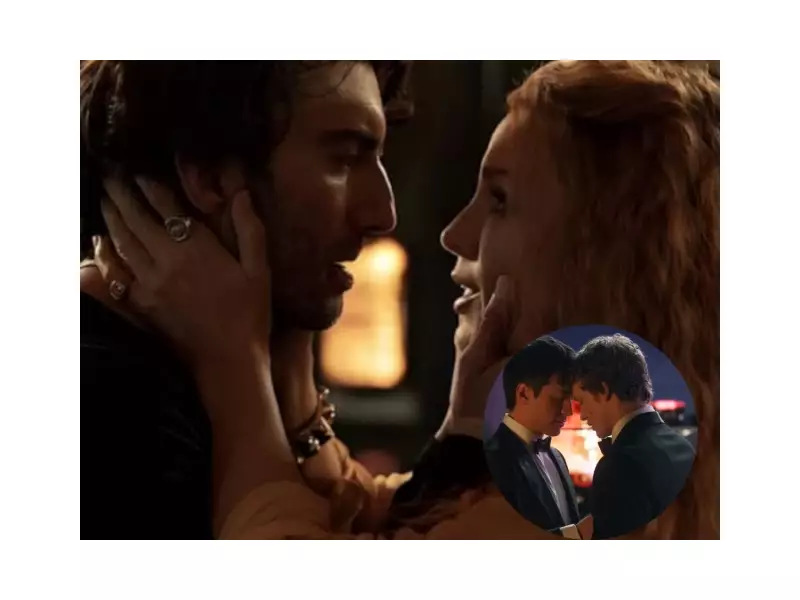
During his argument, Bach referenced the HBO Max romantic drama series Heated Rivalry to illustrate his point. He used this example to demonstrate how improvised physicality between actors, including scenes with explicit content, does not automatically equate to discrimination or harassment under the law. This reference elicited laughter in the courtroom when Judge Liman acknowledged that he was unfamiliar with the series, lightening the tense atmosphere momentarily.

Bach maintained that any physical contact between Baldoni and Lively was directly tied to their characters' evolving relationship within the film's narrative. He emphasized that Lively had willingly agreed to participate in a project known for its "steamy" and emotionally intense scenes, suggesting an understanding of the film's content from the outset.
Judicial Scrutiny and Legal Standards
Judge Liman pushed back on the defense's arguments, questioning whether a project's sexual content grants unlimited freedom on set. In response, Bach stressed that "context matters" and argued that the alleged incidents failed to meet the stringent legal standards required to prove sexual harassment. He asserted that the conduct was part of the artistic process and not motivated by Lively's gender.
Plaintiff's Counterarguments and Consent Issues
Representing Blake Lively, attorney Esra Hudson presented a compelling counterargument. She contended that key facts remain in dispute and should be evaluated by a jury rather than dismissed summarily. Hudson argued that Lively experienced unconsented kissing and physical contact during filming, despite prior discussions about intimacy expectations.
Role of Industry Protocols
Hudson highlighted the importance of consent discussions, nudity riders, and the involvement of intimacy coordinators in defining acceptable boundaries for improvisation on set. She pointed out that these industry protocols are designed to protect actors and ensure that any physical interactions are consensual and professionally managed.
Judge Liman engaged both sides with probing questions about how consent applies in improvised scenes, reflecting the complexity of the issue. Ultimately, he took the arguments under submission, indicating that a careful review is necessary before making a decision.
Case Timeline and Future Proceedings
The case is currently scheduled to proceed to trial in May, though the court may narrow the claims before then based on the outcome of the dismissal motion. This legal battle underscores broader conversations about consent, professionalism, and safety in the entertainment industry, particularly during the filming of intimate scenes.
As the proceedings continue, stakeholders in the film industry and legal observers will be closely monitoring the court's decisions, which could set important precedents for handling similar disputes in the future.