Jawad Ahmed Voices Concern Over Commercialization in Pakistan's Music Industry
Veteran Pakistani singer and politician Jawad Ahmed has expressed strong criticism regarding the increasing commercialization of the country's music industry. In a recent podcast appearance, he questioned what he perceives as rising greed among artists and a growing disconnect from the general public.
Podcast Discussion on Artist Fees and Industry Priorities
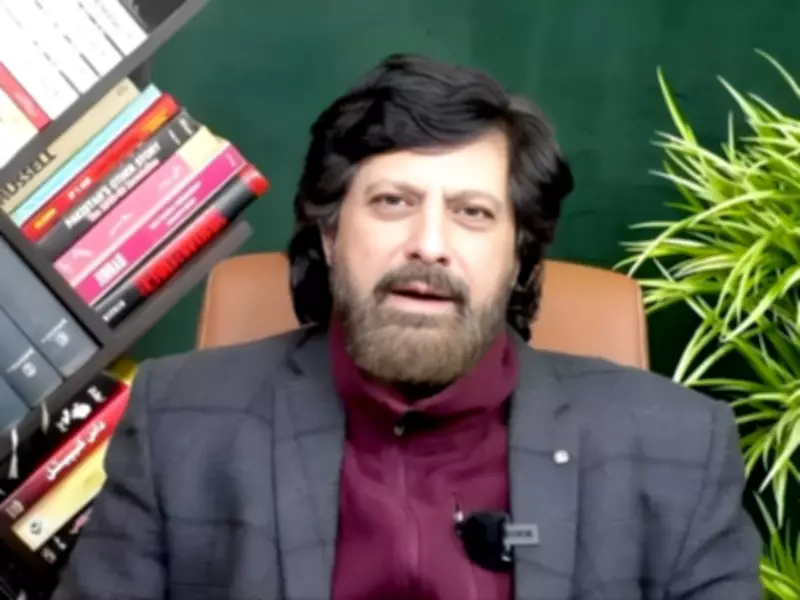
The conversation took place on RNN News, hosted by Naeem Hanif, where the focus was on live performances, artist fees, and the evolving priorities within the music scene. During the discussion, Hanif highlighted the substantial costs associated with concerts, providing specific examples of leading singers' performance charges.
According to Hanif, Rahat Fateh Ali Khan reportedly charges PKR 1.5 crore for a show in Lahore and PKR 3 crore for international performances. Meanwhile, he claimed that Atif Aslam charges PKR 3 crore for concerts in Lahore and approximately $200,000 for performances abroad.

Jawad Ahmed's Career Contrast and Philosophical Stance
In response to these revelations, Jawad Ahmed contrasted the current industry model with his own career trajectory. He explained that he stepped away from music after entering politics and no longer earns through his art. "I have left this work; I have sacrificed this work because of my political career, but I don't earn through music. I have no greed, but I don't know why artists become greedy," he stated.
Ahmed elaborated on his philosophy, emphasizing that "Music is a public-facing industry that relies on accessibility and being connected to all kinds of fans. It's a market where you have to be available for everyone." He reflected on his own success, noting, "We were hit artists; we have sold record-breaking cassettes, even Indians used to be shocked at our record sales."
Despite their commercial success, Ahmed highlighted that he and his contemporaries maintained a connection with ordinary people. "But we still used to sing in the villages for free because we wanted to be guided by purpose," he recalled. "I only demanded the event organizers produce lesson-oriented songs."
Call for Contemporary Artists to Reassess Priorities
Jawad Ahmed urged today's artists to follow a similar path, reassessing their pricing structures and prioritizing the fans who contributed to their success. "If they want me to perform free, I would like them to say to reduce their charges and make them available for the fans who made them stars," he suggested.
Criticism of Elitism in Today's Music Scene
Furthermore, Ahmed criticized what he described as the narrow focus of the contemporary music industry, arguing that it largely caters to wealthy audiences. "It seems sometimes today's industry only caters to the elite. Their market is expensive weddings and the corporate sector, which is inherently based on maximizing profit. Where is the accessibility?" he concluded.
Jawad Ahmed, a prominent pop figure of the 1990s known for hit songs such as Mehndi, Yeh Dil Walay, and Dosti, brings a unique perspective as both a successful musician and a political figure. His comments highlight ongoing debates about artistic integrity, commercial pressures, and public engagement in Pakistan's cultural landscape.