France Takes Historic Step to Ban Social Media for Children Under 15
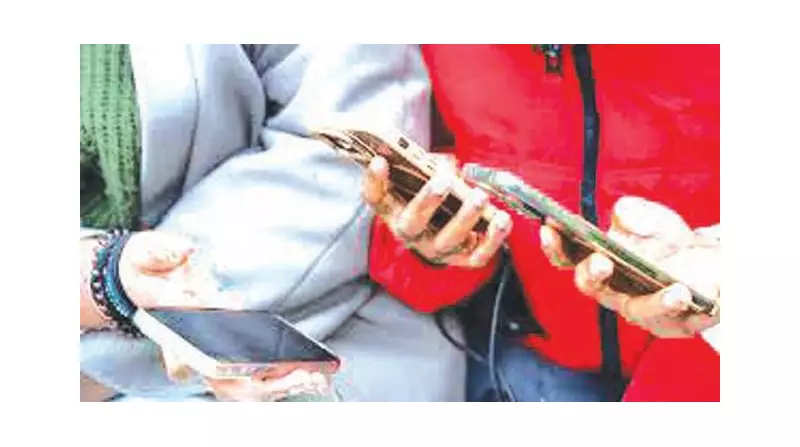
In a landmark move to safeguard the well-being of its youth, French lawmakers have initiated a legislative process to prohibit social media access for children under the age of 15. This pioneering effort, strongly endorsed by President Emmanuel Macron, aims to address growing concerns about the detrimental effects of excessive screen time on child development and mental health.
Legislative Progress and Key Provisions
The lower house of the French Parliament, the National Assembly, has given preliminary approval to the bill following an extensive debate. The legislation, proposed by centrist lawmakers, received support with 116 votes in favor and 23 against during a late Monday session. A subsequent vote on the complete text is scheduled before the bill advances to the Senate, the upper house, for further consideration.
The proposed law includes several critical measures:

- Social Media Ban for Under-15s: The bill explicitly prohibits minors under 15 from accessing online social networking services provided by digital platforms.
- Mobile Phone Restrictions in High Schools: It reinforces existing policies by banning mobile phone usage in high school environments.
- Age Verification Requirements: Implementation hinges on the development of an effective age verification system, currently being explored at the European level.
- Exemptions for Educational Resources: Online encyclopedias and educational directories are excluded from the ban to support learning.
Political Support and Implementation Timeline
President Macron has been a vocal advocate for the legislation, emphasizing the need to protect children from external influences. In a recent video address, he stated, "The emotions of our children and teenagers are not for sale or to be manipulated, either by American platforms or Chinese algorithms."
Gabriel Attal, leader of Macron's Renaissance party in the National Assembly and former prime minister, outlined the proposed timeline. He expressed hope that the Senate would pass the bill by mid-February, enabling the ban to take effect for new accounts starting September 1, 2026. Social media platforms would then have until December 31 of that year to deactivate existing accounts that do not comply with the age restriction.
Attal further highlighted the broader implications, stating, "France can be a pioneer in Europe in a month: we can change the lives of our young people and our families, and perhaps also change the destiny of our country in terms of independence." He emphasized that the measure counters attempts by certain powers to "colonise minds" through social media platforms.
Health Concerns and Global Context
The push for this legislation is backed by alarming findings from France's public health watchdog, ANSES. Their recent report identified numerous harmful effects of social media platforms like TikTok, Snapchat, and Instagram on adolescents, particularly girls. While not the sole cause, these platforms contribute to declining mental health, with risks including cyberbullying and exposure to violent content.
This initiative places France at the forefront of global efforts to regulate digital access for minors. It follows Australia's December ban on social media for under-16s, marking a significant step in international policy trends. However, the proposal has faced some skepticism. Former Prime Minister Elisabeth Borne cautioned about enforcement challenges, noting that existing bans in middle schools need to be properly implemented first.
The legislation also builds on previous measures, such as France's 2018 ban on mobile phone use in "colleges" for children aged 11 to 15. By extending these protections, French authorities aim to create a safer digital environment for the next generation, balancing technological access with health and developmental priorities.