RAWALPINDI: Like the rest of the world, Pakistan marked World Day Against Child Labour on June 12, yet no concrete steps were taken in accordance with the United Nations charter to eradicate child labour. The day has largely become symbolic, while child labour laws continue to be openly flouted. Incidents of abuse, hair cutting, and sexual assault of young girls engaged in domestic child labour have become alarmingly common, with no effective environment created to eliminate the practice.
Child Labour in Twin Cities
In the twin cities of Rawalpindi and Islamabad, children aged between 10 and 15 are commonly seen working at motorcycle and vehicle repair shops, tyre puncture stalls, small hotels, roadside eateries, carts, and workshops. Even today, children, particularly girls aged eight to 15, are seen carrying heavy shopping bags larger than themselves while collecting paper, cardboard, plastic bottles, bones, and scrap metal from the streets. Many of them wear torn clothes.
Widespread Exploitation
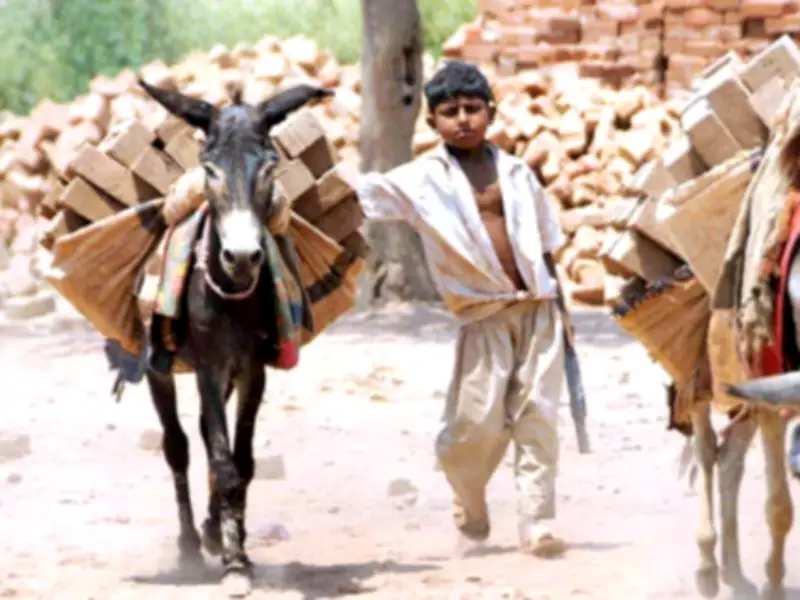
Child labour has become prevalent even in the homes of senior officials and judges due to low wages. FIRs related to abuse and sexual assault of girls involved in child labour are frequently registered. Young girls can be seen working alongside their mothers at brick kilns, while small boys and girls often beg near markets, commercial centers, food stalls, and open-air hotels.

Ineffective Measures
Although extensive legislation was introduced and a Child Protection Department established, along with a ban on child begging, the institution has largely remained ineffective. Despite large budgets and residential facilities, there has been little reduction in child labour, begging, or waste-picking by children.
Global Context
World Day Against Child Labour is observed every year on June 12 to eliminate forced labour, child work, and begging, and to secure children's basic rights, particularly education. The International Labour Organisation has expressed concern over the global child labour situation and emphasized the campaign: "Education is a child's right, show child labour the red card."
According to global statistics, millions of children worldwide are still forced to work, many in hazardous and life-threatening conditions. Pakistan also has a large population of child labourers, and there are repeated calls for urgent measures and awareness campaigns, though little has been achieved in practice.