Pakistan's Persistent Battle Against Polio: An Endemic Reality
Pakistan stands as one of only two nations worldwide where poliomyelitis, commonly known as polio, remains endemic. The sole other country sharing this unfortunate status is neighboring Afghanistan. This persistent public health challenge exists despite significant regional progress. Other South Asian nations, including Muslim-majority countries like Iran and Bangladesh, achieved polio-free certification in 2006 and 2014 respectively. Nigeria, previously endemic, was officially declared free from wild poliovirus by the World Health Organization (WHO) in 2020.
Root Causes of Persistence: Misinformation and Operational Hurdles
The continued presence of polio in Pakistan is attributed to a complex web of factors. Deep-seated misconceptions and misinformation within certain religious communities present a formidable barrier. Some groups falsely portray anti-polio vaccines as a Western conspiracy, alleging the vaccines contain sterilizing agents. Scientific evidence overwhelmingly refutes these claims. Pakistan's demographic profile, featuring one of South Asia's fastest population growth rates at approximately 2.55 percent, high fertility, and a large youth population, adds complexity to vaccination coverage.
Operational challenges further complicate eradication efforts. These include cross-border migration with Afghanistan, parental resistance and refusal, limited access in remote rural and northern regions, difficult geographical terrain, and direct attacks on vaccination teams. The security situation in parts of Khyber Pakhtunkhwa and Balochistan has negatively impacted campaign frequency and outreach. Resistance has also been documented in urban centers like Karachi.

Historical Context and Program Milestones
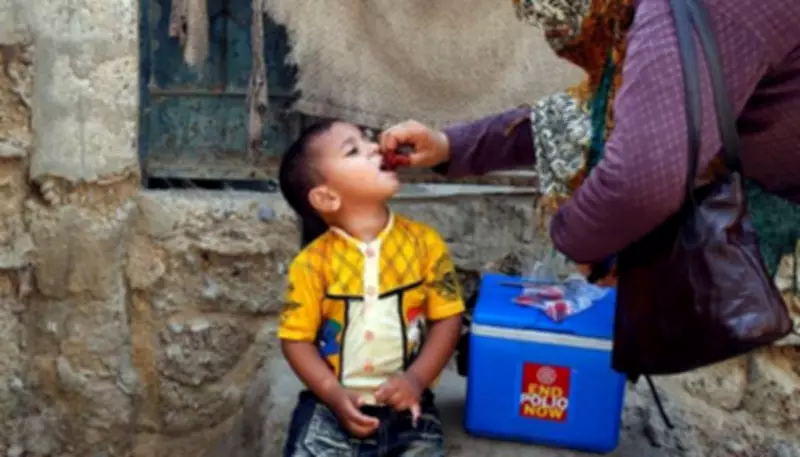
The Polio Immunisation Programme in Pakistan represents a cornerstone public health initiative. Launched in 1994 under then Prime Minister Mohtarma Benazir Bhutto, the program began symbolically when she administered the first oral polio vaccine drops to her daughter, Aseefa Bhutto Zardari. Aseefa later became a national ambassador for polio eradication. In Pakistan, immunization, including the polio vaccine, is provided free of charge, with dedicated workers conducting door-to-door campaigns targeting children under five.
The program has achieved remarkable success over three decades. Polio cases plummeted from an estimated 20,000 in 1994 to just 31 reported cases in 2025—a reduction of 99.8 percent. This data provides powerful scientific proof of the vaccine's efficacy in saving millions of children from paralysis. However, the 2025 cases, distributed as 19 in Khyber Pakhtunkhwa, nine in Sindh, and one each in Punjab and Gilgit-Baltistan, remain a significant concern.
The Human Cost: Frontline Workers and Security Threats
A dedicated workforce of approximately 400,000 frontline polio workers operates under the Polio Eradication Programme. These men and women work with immense dedication in extremely challenging conditions—navigating floods, snow, deserts, and mountainous terrain to reach every child.
Tragically, their mission is often met with violence. In 2024 alone, 39 incidents of violence or obstruction against polio teams, police, and security personnel were reported. These attacks included 25 direct assaults on vaccination campaigns, resulting in 15 health workers killed and seven kidnapped across Pakistan. Consequently, over one million children missed their polio vaccination doses that year. This violence severely undermines eradication efforts and highlights the urgent need for enhanced protection for these frontline heroes.
The Path Forward: A Multifaceted Strategy for Eradication
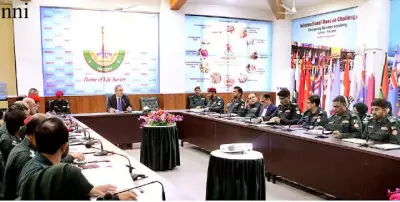
International and national experts, convened by WHO and Aga Khan University in 2025, concluded unanimously that ending polio in Pakistan and globally is "within reach." A current nationwide campaign aims to vaccinate over 45 million children. Achieving this goal requires a reassessment and strengthening of strategies at federal, provincial, and district levels.
Key recommendations include:

- Developing collective and localized approaches to build community trust, particularly among parents.
- Strengthening disease surveillance systems.
- Implementing robust community mobilization, engagement, and awareness initiatives well before campaign launches, with involvement from credible religious scholars.
- Fostering collaboration among civil society, NGOs, media, and the private sector to educate communities on public health risks.
- Ensuring the safety and protection of polio teams through stronger security measures.
- Actively involving local governments and district administrations in designing awareness campaigns and facilitating field operations.
As emphasized in a WHO press release from January 2026, "Science indicates that ending polio in Pakistan and worldwide is within reach if we sustain the ongoing partnership and eradication efforts." The recent detection of wild poliovirus in Germany serves as a stark reminder that global health is interconnected. The cost of inaction far exceeds the cost of sustained action, as no child is truly safe until the virus is eradicated everywhere. Pakistan's journey to becoming a polio-free nation continues, demanding unwavering commitment from all sectors of society.