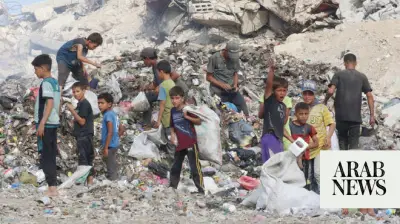
War does not only destroy buildings and roads; it also affects the lives, dreams, and future of students. When conflicts occur, schools, colleges, and universities are often closed for safety reasons. In many cases, educational institutions are damaged, and students are forced to leave their homes and relocate to safer areas with their families. This sudden displacement disrupts their routine and causes major interruptions in their studies. For students, education is more than just attending classes; it is a pathway towards a better future. When this path is disrupted by war, the effects can last for many years. Many students lose valuable learning time, miss important examinations, and sometimes even drop out completely because continuing education becomes too difficult.
Displacement and Its Impact on Students
According to a UN agency, more than 6,000 students fled Sudan’s West Darfur following threats from the Rapid Support Forces (RSF). This mass displacement exemplifies how war forces students to abandon their education. The loss of learning time can set students back years, and many never return to school. The psychological toll of witnessing violence and living in fear further compounds the educational disruption.
Online Learning as a Lifeline
In recent times, online learning has emerged as a major solution in such situations. It allows students to continue their studies from home or safer locations through mobile phones, laptops, and internet platforms. Teachers can conduct classes via video calls, share notes online, and stay connected with students. In many ways, online learning has helped students remain engaged with education even in difficult circumstances. However, this shift is not always easy. One of the biggest challenges is that not every student has access to the internet or digital devices. Many families affected by war struggle with basic needs such as food, shelter, and security, so education naturally becomes secondary. Some students may only have one mobile phone in the entire household, while others may have no access at all. Poor internet connectivity and electricity issues make online learning even more difficult.

Mental and Emotional Stress
Another important issue is the mental and emotional stress students face during war. Living in fear, witnessing violence, and worrying about family safety can severely affect a student’s ability to focus. Even if online classes are available, many students may not be emotionally ready to study. Anxiety, stress, and trauma can significantly impact their academic performance. As noted by Mohammad Khoso in a recent opinion piece, governments, schools, and international organisations should work together to support students in such times. Free internet access, digital devices, and online learning resources should be provided to affected students. Counselling and mental health support should also be made available so students can cope with emotional burdens.
Call for Collective Action
The recent inauguration of the Majid Nizami Chair at Rashid Latif Khan University underscores the importance of education even in challenging times. Meanwhile, incidents like the eleven deaths and several injuries in rain-related accidents in Punjab and KP remind us of the multiple crises facing students. Education should never stop, even in times of crisis. Students are the future of every nation, and protecting their right to education is extremely important. Comprehensive support systems must be established to ensure that no student is left behind due to war or conflict.