Pakistan said on Thursday it had intensified diplomatic efforts to help prevent a wider conflict in the Middle East after attacks on Bahrain and Kuwait, warning that any further escalation could threaten regional stability.
UN Security Council Meeting
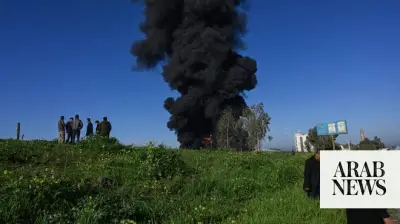
The statement by Pakistan’s envoy to the United Nations (UN) came at a Security Council meeting that was summoned on Bahrain’s request days after Iranian missile and drone attacks that targeted United States (US) military sites in Kuwait and Bahrain. Iran and the US agreed as part of an interim deal to allow ships to pass without paying charges for 60 days. But Tehran insisted it must control the routes of the vessels and later charge fees for passage, upending decades of practice in the waterway. The US and many Gulf Arab states say they won’t agree to Iran charging for passage through the strait.
Oman-UN Route Sparks Tensions
An effort by Oman and a United Nations agency to launch a new route near Oman’s shore sparked attacks across the Middle East last weekend, highlighting the tensions.

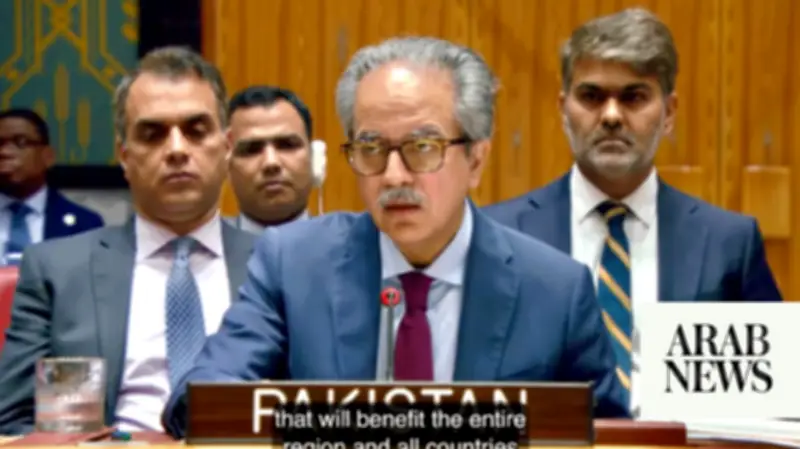
“Pakistan has been categorically condemning attacks against the GCC (Gulf Cooperation Council) countries and once again expresses its full solidarity with our brothers and sisters in Bahrain and Kuwait,” Pakistan’s envoy Asim Iftikhar Ahmad told the UNSC. “Any further escalation and continuation in fighting would only exacerbate human suffering and carry grave consequences for regional and international peace and security,” he warned, saying his country was continuing to “facilitate dialogue and confidence-building measures to prevent any escalation.”
Pakistani and Qatari Mediation
The statement came after Pakistani and Qatari mediators concluded separate meetings with US and Iranian negotiators in Doha, according to the Pakistani foreign ministry, with “positive progress” made on issues related to the Islamabad Memorandum of Understanding (MoU), which aimed to end the war that began with US-Israeli strikes on Iran in late February. The interim agreement included a 60-day ceasefire, the reopening of the blockaded Strait of Hormuz, a timetable for a final deal on the war and Iran’s nuclear program, immediately allowing Tehran to sell its oil freely in a major concession from Washington.
Progress in US-Iran Talks
US President Donald Trump said this week that indirect talks with Iran in Qatar were making progress, while Iran’s Deputy Foreign Minister Kazem Gharibabadi, who led Tehran’s delegation at Doha meetings, said on Thursday the sides had agreed to establish a communication channel to report and record violations of their initial memorandum of understanding.
“The channels of communication remain open, and we are persisting in our efforts geared toward ushering peace, security, and tranquility that will benefit the entire region and all countries without exception,” Ahmad told the UNSC.