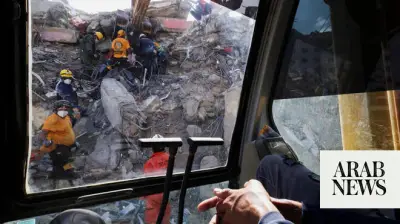
The judicial magistrate's rejection of the charge sheet in the Gul Plaza fire case has laid bare critical deficiencies in the police investigation, raising concerns that accountability may be limited to the easiest targets while institutional failures remain unaddressed. The fire, which turned the building into a graveyard, demands a thorough probe that examines every link in the chain of responsibility.
Court Exposes Investigative Gaps
The magistrate observed that the investigating officer could not explain the roles of various government departments and failed to include key documents in the case record. These are not mere procedural lapses but fundamental flaws that question whether the investigation was designed to uncover the truth or merely complete a formality. The court's remarks highlight a systemic issue where accountability is often diluted.
Need for a Fresh, Transparent Probe
While those directly responsible for violations inside the building must face the law, the investigation must not stop there. The provincial authorities should order a reinvestigation by a competent team unconnected to the earlier probe, empowered to examine the role of every individual and institution involved. The findings must be made public to ensure fairness and restore public trust.

Victims Deserve the Truth
The Gul Plaza fire must not become another case where responsibility is shifted onto ordinary citizens while institutional failures are ignored. The victims and their families deserve a full accounting of what happened. Only by examining the entire chain of responsibility without fear or favor can the truth emerge.