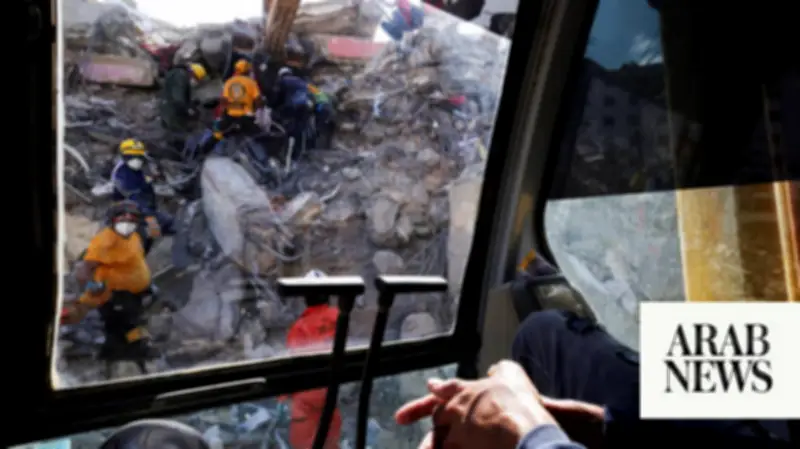
The death toll from Venezuela's twin earthquakes has climbed to 3,535, authorities announced on Monday, while nearly 18,000 people remain without housing more than a week after the disaster struck the capital and nearby coastal areas. Top lawmaker Jorge Rodriguez reported that the latest official tally also shows 16,740 injured and 17,854 left homeless following the June 24 quakes, which registered magnitudes 7.2 and 7.5 and occurred within seconds of each other.
Scale of the Disaster
The new figures highlight the immense scale of the catastrophe in and around Caracas and La Guaira, the coastal area hardest hit, as criticism mounts over the government's response. Venezuela's social vice presidency stated that at least 12,800 people are staying in 80 shelters across Caracas and La Guaira.
Health Risks in Temporary Shelters
Dr. Mauricio Cerpa Calderon, an adviser to the Emergency Operations Center of the Pan American Health Organization in Washington, warned of escalating health risks in these temporary sites. “An event associated with or following an earthquake is the setting up of temporary shelters or camps,” Cerpa told Reuters. “These health risks are related to overcrowding, limited ventilation, interrupted access to safe drinking water, water and sanitation issues, and inadequate handling of food and waste.” Cerpa emphasized that immediate priorities include addressing “respiratory infections, diarrhea, skin diseases, wound infections, dengue, and vaccine-preventable diseases such as tetanus, measles, rubella, diphtheria, pertussis and polio.”

Government Response Under Fire
Acting President Delcy Rodriguez has defended the government's handling of the disaster amid growing frustration from Venezuelans who have described the response as late and inadequate. Global humanitarian organizations including the International Rescue Committee have also criticized the government's response. Rodriguez said security forces were deployed immediately after the quakes and announced the creation of a new military unit to help tackle future emergencies and disasters.
Burial of Victims
In La Guaira on Monday, Reuters witnesses saw trucks and forensic workers transporting coffins, while machinery dug trenches in an open area marked by white crosses, where authorities were burying bodies. Venezuela's Ministry of Communication and Information did not immediately respond to a request for comment. Photos published by Spanish newspaper El Pais showed some graves marked with names and others with numbers.
International Aid Efforts
To assist with the influx of casualties, Cerpa said PAHO and the World Health Organization have supported the management of bodies by providing technical guidelines and body bags, as well as facilitating three refrigerated containers for body management at the port of La Guaira and two crematoriums in other locations. The United Nations said it was continuing to ramp up aid operations in coordination with the government in Caracas. “Some search and rescue teams remain deployed in the affected areas, while other specialized engineering teams and medical support continue to arrive,” UN spokesperson Stephane Dujarric told reporters on Monday. National health authorities are currently evaluating targeted vaccination campaigns in the temporary shelters based on risk, vaccine availability and national guidelines, Cerpa added.