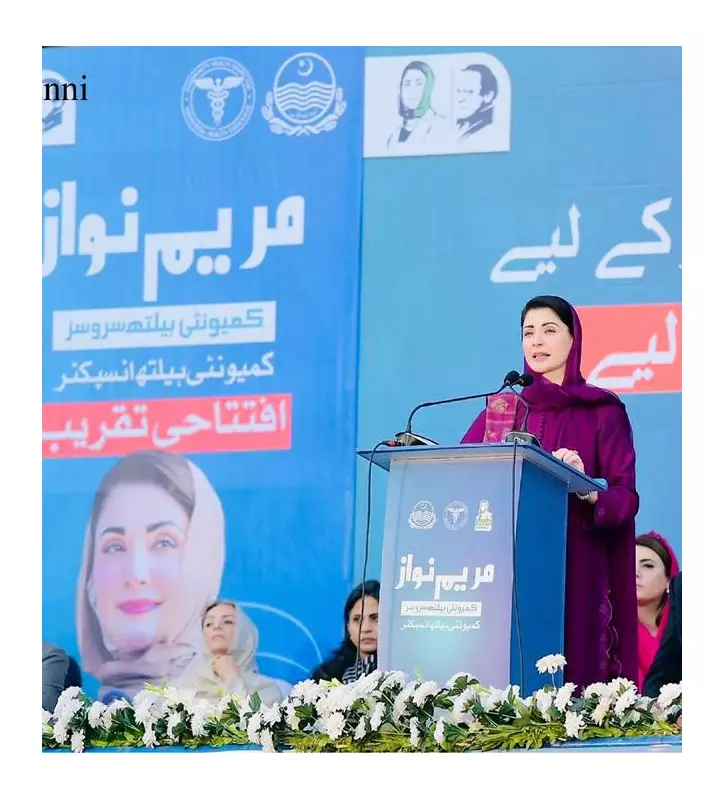
In a significant move to bolster primary healthcare in the province, Punjab Chief Minister Maryam Nawaz Sharif officially launched the Community Health Inspectors programme on Wednesday. This ambitious initiative aims to deploy a new cadre of health workers directly into communities, particularly in rural and underserved areas, to act as the first line of defense in public health.
A New Frontline for Public Health
The programme represents a strategic shift in Punjab's healthcare approach, focusing on proactive, community-based care. Chief Minister Maryam Nawaz Sharif, while addressing the launch ceremony, emphasized that this step is crucial for strengthening the foundational tier of the health system. Over 1,000 Community Health Inspectors are being trained and deployed as part of the initial phase. Their primary role will be to conduct door-to-door visits, monitor community health, and identify potential health risks before they escalate into larger outbreaks.
These inspectors will work under the supervision of the Primary and Secondary Healthcare Department. Their mandate is extensive and vital. It includes raising awareness about preventive measures for various diseases, ensuring the cleanliness of surroundings to curb the spread of illnesses, and collecting essential health data from households. This data-driven approach is expected to help health authorities make more informed decisions and allocate resources more effectively where they are needed most.

Core Responsibilities and Immediate Goals
The Community Health Inspectors have been assigned clear and critical tasks to improve public health outcomes. A key focus area will be the prevention and control of dengue fever, a recurring seasonal challenge in Punjab. Inspectors will educate residents on eliminating mosquito breeding sites and recognizing early symptoms. Furthermore, they will play an instrumental role in the government's broader vaccination drives, helping to improve immunization coverage, especially among children.
Another major responsibility involves the surveillance and management of other infectious diseases. By being embedded within communities, these health workers can provide early warnings about disease clusters, enabling a swift response from higher-level health facilities. The CM stated that this initiative is not just about treatment but about fostering a culture of health consciousness and prevention at the grassroots level.
Impact on Rural Healthcare and Future Vision
The launch of this programme is seen as a direct effort to bridge the healthcare gap between urban centers and rural areas in Punjab. For many villagers, access to a qualified doctor or a basic health unit can be a challenge. The Community Health Inspectors will serve as a vital link, providing basic health guidance, referrals, and consistent follow-up. This is expected to reduce the burden on already crowded tertiary care hospitals by addressing health issues at their origin.
Chief Minister Maryam Nawaz Sharif reiterated her government's commitment to revolutionizing the healthcare sector. She described the inspectors as “foot soldiers” in the war against disease and poor health standards. The success of this programme could set a precedent for other provinces, showcasing a model for community-engaged healthcare delivery. The government plans to monitor the results closely and potentially expand the number of inspectors based on the positive outcomes and needs identified in the field.
This initiative marks a pivotal moment for public health in Punjab, shifting towards a more inclusive, preventive, and community-owned system. The effectiveness of the Community Health Inspectors programme will ultimately be measured by improved health indicators and greater public satisfaction with primary healthcare services across the province.