Healthcare Revolution Reaches Fatehjang as Governor Inaugurates Vital Facilities
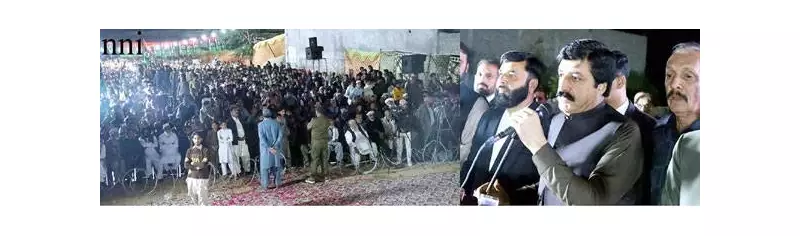
In a significant boost to healthcare infrastructure in remote Punjab, Governor Sardar Saleem Haidar Khan officially opened the Benazir Bhutto Shaheed Dialysis Center and a modern blood bank at Tehsil Headquarters Hospital Fatehjang on Monday.
The inauguration ceremony witnessed the presence of prominent local figures including PPP Tehsil President Sardar Zaheer Khan and other dignitaries who gathered to celebrate this milestone in healthcare development.
Transforming Treatment Access for Kidney Patients
Governor Saleem Haidar emphasized that the new dialysis facility would address a critical healthcare gap by serving numerous kidney patients who previously faced exhausting journeys to Attock for treatment. This center represents the Pakistan People's Party's ongoing commitment to improving medical services in underserved regions, he stated during his address.

The blood bank establishment marks another crucial advancement, specifically designed to benefit patients suffering from thalassemia who require regular blood transfusions as part of their treatment regimen.
Future Healthcare Expansion Plans Announced
Looking beyond the current achievements, Governor Saleem Haidar revealed ambitious plans for further healthcare development in the region. He announced that THQ Hospital Jand will soon receive both a Dialysis Center and a Mother and Child Health Care Unit, extending quality medical services to additional remote communities.
Following the formal ceremony, the Governor personally met with dialysis patients who shared their relief and appreciation for the new facility. Patients expressed that the local treatment center would save them substantial time and money previously spent traveling to Attock, Rawalpindi, or Islamabad for essential medical care.
The newly inaugurated facilities stand as a testament to the government's dedication to decentralizing specialized healthcare services and making critical treatments accessible to residents of remote areas without the burden of long-distance travel.