Punjab Chief Minister Maryam Nawaz Sharif has ordered a comprehensive overhaul of the province’s prison system, directing authorities to transform jails into rehabilitation centres by improving infrastructure, expanding inmate welfare programmes, and accelerating the construction of new prisons to ease overcrowding.
High-Level Meeting on Prison Reforms
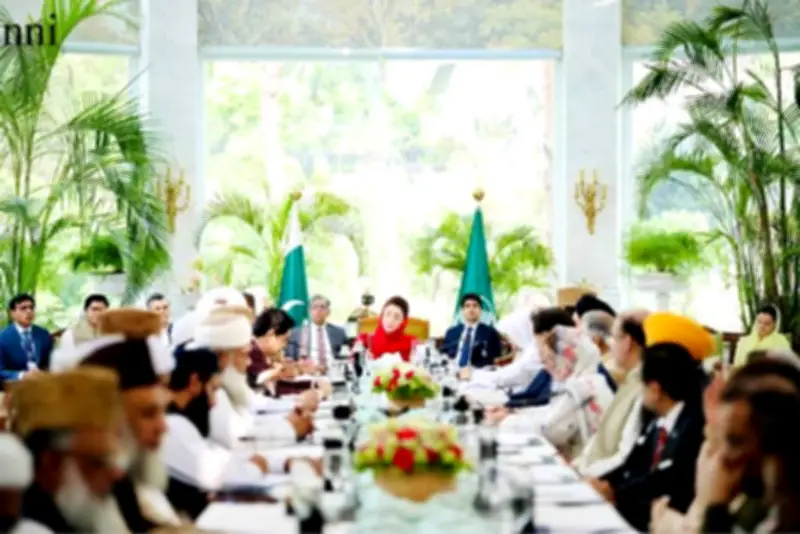
Chairing a high-level meeting on prison reforms, the chief minister reviewed progress on ongoing initiatives and was presented with a detailed plan covering prison infrastructure, inmate rehabilitation, security, education, and healthcare. A video briefing on the under-construction Nankana Sahib jail was presented during the meeting.
Approval of Rs1.3 Billion for Jail Construction
Maryam Nawaz approved Rs1.3 billion for the early completion of the Nankana Sahib jail. She directed that both the Nankana Sahib and Samundri jails be completed by September this year. To address overcrowding, officials informed the meeting that 27 additional prison barracks were under construction, while work on new jails in Chiniot and Murree was progressing.

Prison Capacity and Overcrowding
The province’s prison capacity has increased from 30,000 to 39,000 inmates and is expected to reach 43,718 by 2027. However, the current prison population ranges between 68,000 and 79,000, with undertrial prisoners accounting for 73 per cent of the total inmate population.
Facilities for Women and Children
The chief minister directed authorities to improve facilities for women prisoners and children living with incarcerated mothers by ensuring quality beds, play areas, educational opportunities, and vocational training. She also approved the upgradation of juvenile correctional institutions and the introduction of a modern Remission Management System to improve sentence administration.
Transport and Living Conditions
Maryam Nawaz ordered the remodelling of 30 prison transport vehicles into air-conditioned vans equipped with washrooms, CCTV screens, and ergonomic seating to improve conditions for inmates during transportation. She also approved the provision of mattresses in male prisoners’ barracks and directed regular inspections to ensure the quality of meals served in prisons.
Welfare Stores and Nutritional Support
Officials informed the meeting that welfare stores had been established in prisons, while special nutritional supplements were being provided to imprisoned mothers and children up to six years of age. Three modern women’s prisons were being established in Lahore, Faisalabad, and Rawalpindi. Waiting areas, transport carts, and family rooms for visitors were also being restored to improve facilities for prisoners’ relatives.
Education and Rehabilitation Programmes
Briefing the chief minister, officials said education and rehabilitation programmes had been expanded across the prison system. Under the Chief Minister Punjab Literacy Programme, 4,141 inmates had been enrolled in educational courses. Under the “One Barrack, One Library” initiative, 472 prisoners had completed matriculation, 367 had passed intermediate examinations, and 140 had graduated.
Prison Industries and Vocational Training
The meeting was informed that prison industries had become operational in 15 jails, where inmates were manufacturing furniture, carpets, tuff tiles, melamine crockery, beauty soap, detergents, LED lights, footballs, gloves, and garments. Prisoners were also receiving vocational training in mobile phone repair, motorcycle and tractor maintenance, computer skills, welding, and cooking to improve their employment prospects after release.
Security Enhancements
Officials said biometric verification systems had been introduced across prisons, while voice and panic alert systems, X-ray scanners, and the Integrated Criminal System Coordination mechanism were being deployed to strengthen prison security. Eleven lock-ups, including those in Lahore, have also been upgraded.
Chief Minister’s Statement
The chief minister said prison reforms should focus on rehabilitation alongside security. “I can relate to every aspect of the jail because I have seen everything myself,” she said, adding that protecting the dignity and basic rights of prisoners remained a priority.

Inmate Transfers and Communication
The meeting was further informed that 2,554 inmates had been transferred to prisons in their home districts under the rational prisoner transfer policy since 2024, while audio and video call facilities had been extended to prisoners across Punjab.
Solar Energy and Healthcare
Officials said five major prisons, including those in Faisalabad, Dera Ghazi Khan, and Pindi Bhattian, had been shifted to solar energy. Between January and June 2026, more than 91,000 inmates underwent medical screening and treatment, while 74 professional psychologists had been engaged to provide mental health services.
Additional Reforms
The meeting was also informed that inmates were being provided three meals daily, hygiene facilities for women prisoners had been improved, religious education programmes had been introduced for around 30,000 inmates, and sports and gymnasium facilities had been established in prisons. Authorities also briefed the chief minister on measures to expedite trials and strengthen the probation and parole system.