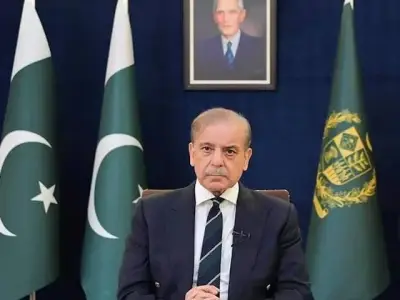
Succession and War Spiral: Unraveling the Global Political Crisis
In today's volatile international landscape, the intricate interplay between succession disputes and escalating warfare has emerged as a critical driver of global instability. This phenomenon, often referred to as the succession and war spiral, highlights how leadership transitions in key nations can trigger or exacerbate military conflicts, creating a vicious cycle that threatens peace and security worldwide.
The Dynamics of Succession Crises
Succession crises occur when there is uncertainty or contention over the transfer of power, whether in monarchies, democracies, or authoritarian regimes. These events can destabilize governments, weaken institutions, and create power vacuums that adversaries may exploit. For instance, in regions with fragile political systems, succession disputes often lead to internal strife, which can quickly spill over borders and ignite regional conflicts.
Key factors contributing to succession-related turmoil include:

- Lack of clear legal frameworks for leadership transitions
- Historical rivalries and factional divides within ruling elites
- External interference by foreign powers seeking to influence outcomes
- Economic pressures that exacerbate social tensions during transitions
The Escalation into War Spirals
When succession crises intersect with pre-existing geopolitical tensions, they can fuel a war spiral, where conflicts escalate rapidly through a series of retaliatory actions. This spiral is characterized by:
- Initial skirmishes or provocations during periods of political uncertainty
- Miscalculations by new or interim leaders lacking experience or legitimacy
- Alliance formations that draw multiple nations into the fray
- Prolonged hostilities that become entrenched and difficult to resolve
Recent examples from various global hotspots illustrate how succession disputes have acted as catalysts for broader wars, reshaping alliances and redrawing strategic maps. The consequences often include humanitarian crises, economic collapse, and long-term regional instability.
Global Implications and Future Outlook
The convergence of succession and war spirals poses significant challenges for international diplomacy and conflict resolution. As global powers navigate these turbulent waters, there is a growing need for proactive measures to mitigate risks. Strategies may involve:
- Strengthening international norms around peaceful power transfers
- Enhancing early warning systems to detect potential flashpoints
- Promoting dialogue and mediation in regions prone to succession conflicts
- Supporting institutional reforms to build resilient governance structures
Looking ahead, the persistence of succession-related instability suggests that the war spiral phenomenon will remain a pressing concern. Analysts warn that without concerted global efforts, these cycles could intensify, leading to more frequent and devastating conflicts. Understanding the underlying mechanisms is crucial for policymakers, diplomats, and citizens alike as they work towards a more stable and peaceful world order.